







What's Happening?
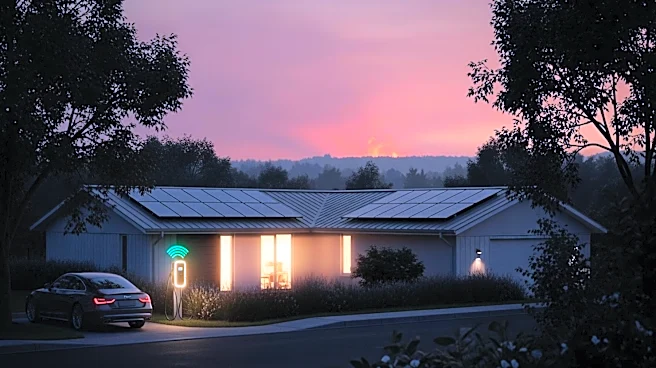
In the aftermath of devastating wildfires, many residents in Altadena and Pacific Palisades, California, are choosing to rebuild their homes with all-electric systems. This decision is driven by concerns over climate change, health, and cost savings.
The use of gas and propane in homes contributes significantly to greenhouse gas emissions and indoor pollution, prompting a shift towards electrification. Despite the state waiving certain building codes that encouraged electric heat pumps, some residents are voluntarily opting for all-electric homes. These homes are designed to be airtight and highly insulated, reducing the need for traditional heating and cooling systems. The Foothill Catalog Foundation is offering pre-approved, all-electric home designs to simplify the rebuilding process. Additionally, a $22-million incentive program has been launched to support all-electric rebuilds in disaster areas, providing financial subsidies to residents.
Why It's Important?
The move towards all-electric homes in California represents a significant shift in building practices, with potential implications for environmental policy and energy consumption. By reducing reliance on fossil fuels, these homes contribute to lower greenhouse gas emissions, aligning with broader climate change mitigation efforts. The adoption of all-electric systems also addresses health concerns by improving indoor air quality. Economically, the transition could lead to cost savings for homeowners through reduced utility bills and construction costs. This trend may influence future building codes and standards, encouraging more widespread adoption of sustainable building practices. The success of these initiatives could serve as a model for other regions facing similar environmental challenges.
What's Next?
As more residents embrace all-electric homes, there may be increased demand for related technologies, such as solar panels and battery storage systems. The incentive programs supporting these rebuilds could expand, offering greater financial assistance to encourage adoption. Policymakers may consider revisiting building codes to further promote electrification, balancing environmental goals with the needs of fire survivors. The construction industry may also see a shift towards more sustainable practices, with architects and builders developing new designs that prioritize energy efficiency and resilience. Ongoing community engagement and education will be crucial in supporting this transition and addressing any concerns from residents.