






What's Happening?
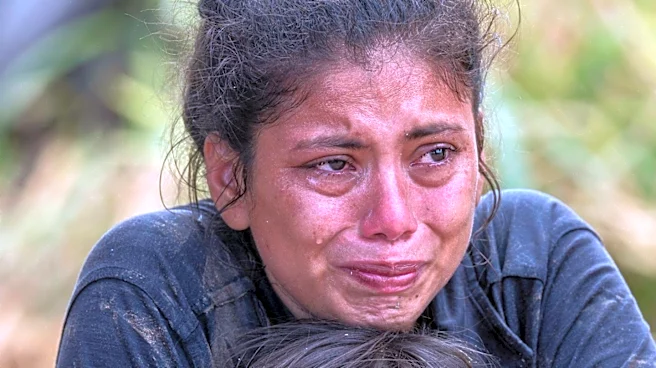
On the 75th anniversary of the 1951 Refugee Convention, legal advocates worldwide are calling for strengthened commitments to the convention's principles. Originally designed to address the plight of stateless people in post-war Europe, the convention has
since expanded to offer global protection through the 1967 Protocol. Despite its historical significance, the convention's terms have remained largely unchanged, even as global migration patterns have evolved. Today, refugees face new challenges such as climate change and gender-based violence, prompting calls for updated legal frameworks to better address these issues.
Why It's Important?
The ongoing relevance of the Refugee Convention is crucial as global displacement continues to rise. Legal advocates emphasize the need for tailored local responses and regional cooperation to address the unique challenges faced by refugees today. Strengthening the convention could lead to more effective protection and integration of refugees, reducing the number of people living in limbo without legal status. This is particularly important for countries like the U.S., where refugee law and policy play a significant role in humanitarian efforts and international relations.
What's Next?
Efforts to strengthen the Refugee Convention are expected to continue, with legal advocates pushing for reforms that address contemporary challenges. This may involve advocating for changes at both national and international levels to ensure that refugee protection keeps pace with evolving global dynamics. The U.S. and other countries may see increased pressure to adopt policies that reflect these updated commitments, potentially influencing future legislative and humanitarian strategies.