






What's Happening?
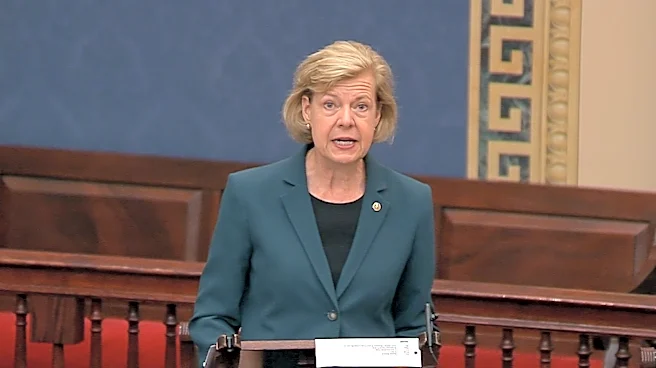
The U.S. Senate has voted to overturn a 20-year moratorium on mining in the Superior National Forest, located in the watershed of the Boundary Waters Canoe Area Wilderness. This decision, supported by the Trump Administration, allows for toxic sulfide
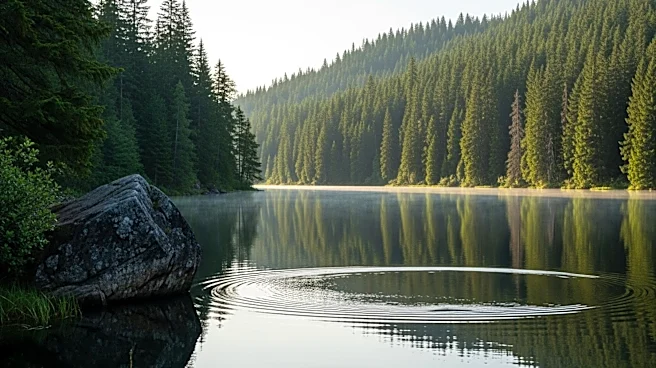
mining in one of the nation's most visited wilderness areas. The Senate's 50-49 vote utilized the Congressional Review Act to reverse the ban, a move that has been criticized for its interpretation of the Act. Environmental groups, including the Sierra Club, have expressed strong opposition, citing the potential for significant ecological damage and pollution in a region known for its pristine natural beauty.
Why It's Important?
The Senate's decision to allow mining in the Boundary Waters has significant environmental and political implications. The area is a critical natural resource, providing habitat for diverse wildlife and recreational opportunities for thousands of visitors annually. Allowing mining operations could lead to pollution and long-term ecological damage, threatening the region's biodiversity and water quality. This move reflects broader tensions between economic development interests and environmental conservation efforts. It highlights the ongoing debate over resource extraction on public lands and the role of federal policies in balancing economic growth with environmental protection.
What's Next?
The resolution now moves to the White House, where President Trump is expected to sign it into law. Environmental groups are likely to challenge the decision through legal avenues, seeking to protect the Boundary Waters from mining activities. The outcome of these efforts could set a precedent for future resource management decisions on public lands. Additionally, the decision may influence upcoming elections, as environmental issues continue to be a significant concern for many voters. The situation underscores the need for comprehensive policies that address both economic and environmental priorities.