






What's Happening?
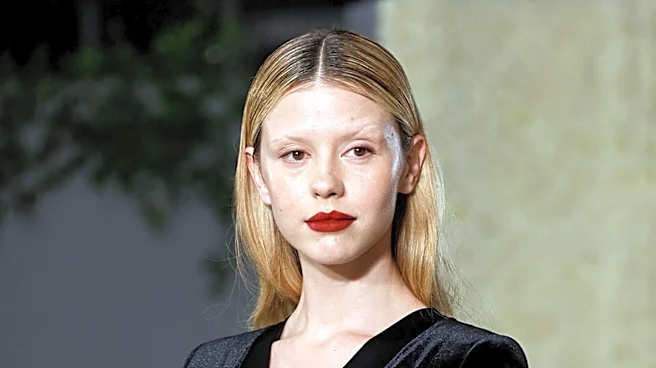
An unlabeled AI-generated image of actress Mia Goth recently circulated on Instagram from a fan account that possessed a blue verification badge. This incident prompted Goth's representative to express concern to The Verge, stating that allowing such
an image to spread compromises likeness safeguards for public figures. The circulation of this image highlights inconsistencies in platform rules regarding AI-generated content; while AI-generated videos depicting people are required to carry an AI label, static images currently face no mandatory disclosure rule. This event occurred amidst ongoing debates about synthetic media on social networks and the need for clearer guidelines.
Why It's Important?
The circulation of an unlabeled AI-generated image of Mia Goth raises significant questions about the protection of public figures' likenesses in the age of advanced AI. The lack of mandatory disclosure for static AI-generated images, in contrast to videos, creates a loophole that can lead to the spread of misleading or unauthorized content. This situation underscores the challenges social media platforms face in regulating synthetic media and protecting individuals from potential misuse of their image. For public figures, this incident highlights a vulnerability where their identity can be replicated and disseminated without their consent or clear indication that the content is artificial, potentially impacting their public image and personal rights.
What's Next?
This incident is likely to intensify the ongoing debate among social media platforms, policymakers, and legal experts regarding the regulation of AI-generated content. There may be increased pressure on platforms like Instagram to implement more consistent and comprehensive disclosure mandates for all forms of AI-generated media, including static images. Public figures and their representatives may advocate for stronger legal frameworks and platform policies to protect their likeness rights. The discussion could also lead to broader conversations about digital ethics, consent, and the responsibilities of AI developers and users in creating and sharing synthetic content.
Beyond the Headlines
The issue of AI-generated images of public figures extends beyond mere disclosure; it touches upon deeper ethical and legal considerations regarding identity, consent, and ownership in the digital realm. The ability to create realistic synthetic images without clear labeling blurs the lines between reality and artificiality, potentially eroding trust in visual media. This could lead to a future where distinguishing authentic content from AI-generated fakes becomes increasingly difficult, posing challenges for journalism, public discourse, and personal privacy. The incident with Mia Goth serves as a stark reminder of the urgent need for robust ethical guidelines and technological solutions to manage the proliferation of AI-generated content responsibly.