
What's Happening?
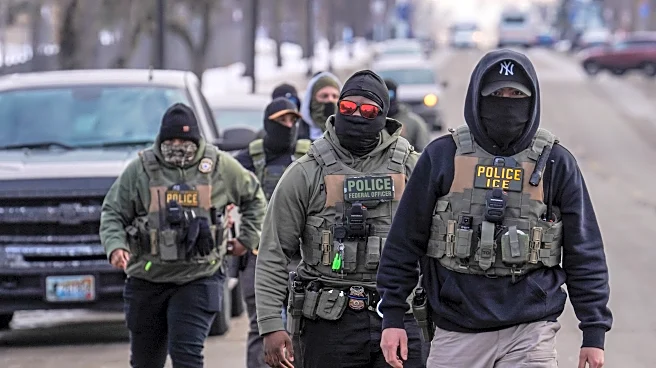
Federal judges are dismissing criminal cases against undocumented immigrants when Immigration and Customs Enforcement (ICE) detains defendants during trial preparations. This situation has arisen from a conflict between the Trump administration's aggressive
immigration enforcement and the Department of Justice's criminal prosecutions. Defense attorneys argue that this inter-agency failure allows criminals to evade justice, while federal judges warn that it violates defendants' constitutional rights. In one notable case, Guillermo Zambrano, accused of working with the Sinaloa cartel, had his charges dismissed after ICE detained him, preventing him from preparing for trial. Similarly, Carlitos Ricardo Parias, a TikTok streamer, had his case dismissed due to lack of access to counsel while in immigration detention. The Department of Justice maintains that those who enter the U.S. illegally will be held accountable, despite what they describe as interference from 'activist liberal judges.'
Why It's Important?
The dismissals highlight a significant clash between immigration enforcement and the judicial process, raising concerns about the balance of power between federal agencies. The aggressive deportation tactics could undermine the justice system by allowing individuals accused of serious crimes to avoid prosecution. This situation poses a challenge to the integrity of the legal process and raises questions about the prioritization of immigration enforcement over criminal justice. The dismissals could set a precedent that affects future cases, potentially leading to more defendants avoiding trial due to similar circumstances. This development also impacts victims seeking justice, as seen in the case of a major jewelry heist suspect who was deported before trial, leaving victims without closure.
What's Next?
The government is appealing some of the dismissals, indicating ongoing legal battles over the intersection of immigration enforcement and criminal prosecutions. The Department of Justice may need to reassess its coordination with ICE to prevent further dismissals and ensure that criminal proceedings are not disrupted by immigration actions. This situation could prompt legislative or policy changes to address the conflict between deportation priorities and the need for due process in criminal cases. Stakeholders, including legal advocacy groups and policymakers, may push for reforms to protect defendants' rights while maintaining effective immigration enforcement.
Beyond the Headlines
The dismissals underscore deeper issues regarding the rights of undocumented immigrants within the U.S. legal system. The tension between immigration enforcement and criminal justice highlights the ethical and legal challenges of balancing national security with individual rights. This situation may lead to increased scrutiny of ICE's practices and the broader implications for civil liberties. The cases also reflect the broader political debate over immigration policy and its impact on the justice system, potentially influencing future policy decisions and public opinion.