






What's Happening?
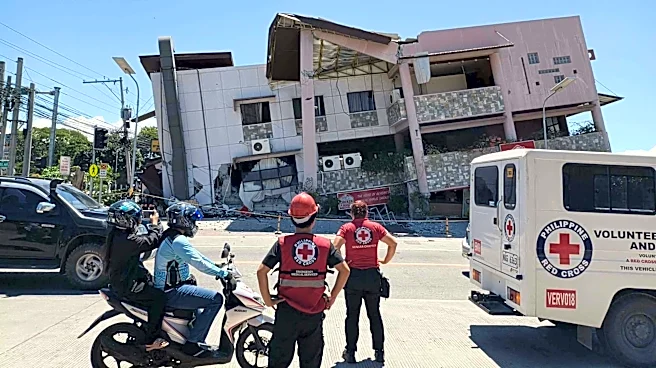
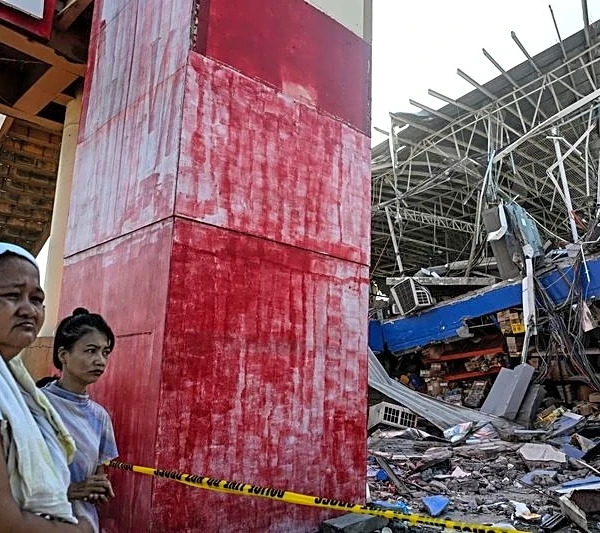
The Philippines, located on the Pacific 'Ring of Fire', has experienced a series of deadly earthquakes in recent years. On June 8, 2026, a magnitude 7.8 earthquake struck off Mindanao, resulting in at least 32 fatalities and triggering tsunami waves.
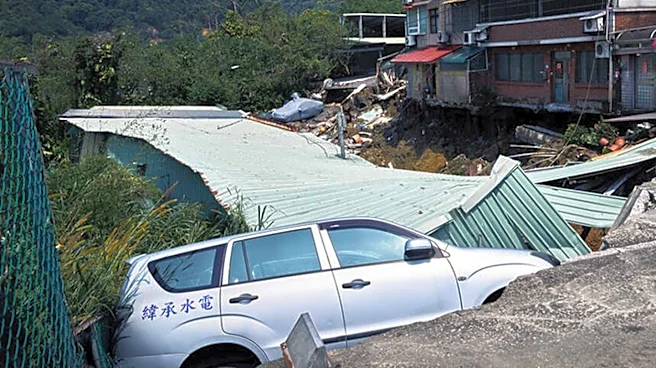
This follows a pattern of significant seismic activity in the region, including a 7.4 magnitude earthquake on October 10, 2025, which killed seven people, and a 6.9 magnitude quake on September 30, 2025, in Cebu province, which resulted in 72 deaths. These events highlight the vulnerability of the Philippines to natural disasters, with the local Bogo Bay fault line, dormant for over 400 years, unexpectedly becoming active.
Why It's Important?
The frequent and severe earthquakes in the Philippines underscore the urgent need for improved disaster preparedness and infrastructure resilience in the region. These natural disasters have significant implications for the safety and economic stability of affected communities. The loss of life and property damage disrupt local economies and strain emergency response systems. Additionally, the recurring seismic activity poses challenges for urban planning and development, necessitating robust building codes and emergency response strategies to mitigate future risks.
What's Next?
In response to these earthquakes, the Philippine government and international aid organizations are likely to focus on enhancing disaster preparedness and response capabilities. This may include investing in early warning systems, conducting public education campaigns on earthquake safety, and strengthening infrastructure to withstand seismic events. Collaboration with international experts and agencies could also play a crucial role in developing comprehensive strategies to reduce the impact of future earthquakes.