





What's Happening?
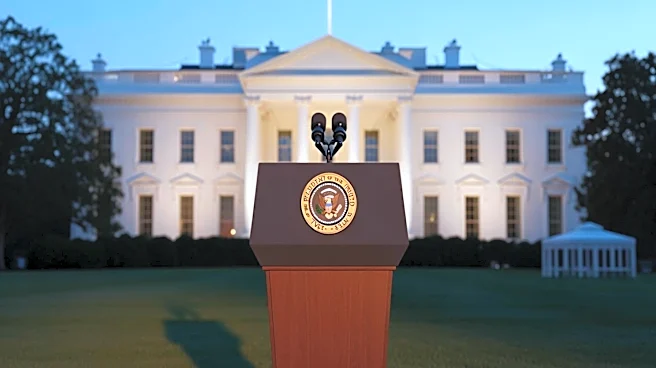
President Trump has initiated a series of extensive renovation projects across Washington, DC, as part of preparations for the United States' 250th anniversary celebrations. These projects include the demolition of the East Wing of the White House to construct
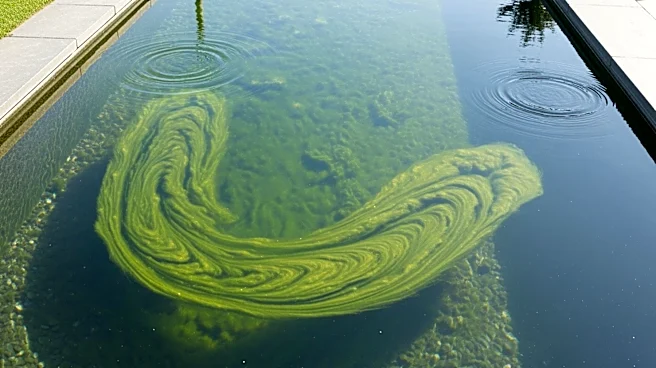
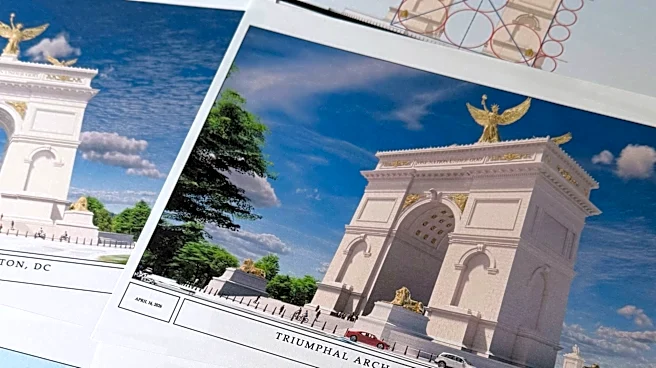
a massive ballroom, with costs projected at $600 million, half of which will be funded by taxpayers. Additionally, the National Park Service is restoring fountains and the reflecting pool on the National Mall. A proposed $100 million triumphal arch, dubbed the 'Arc de Trump,' is also planned near Arlington National Cemetery. These developments have led to significant construction activity, causing disruptions for tourists and locals alike. Critics argue that these projects prioritize President Trump's legacy over the city's historical integrity.
Why It's Important?
The renovation projects in Washington, DC, have sparked debate over the use of public funds and the impact on the city's historical landscape. The decision to fund half of the $600 million White House ballroom project with taxpayer money contradicts earlier claims that private donors would cover the costs. This has raised concerns about fiscal responsibility and transparency. Furthermore, the construction activities have disrupted access to key historical sites, affecting tourism and local businesses. The proposed triumphal arch has drawn criticism for potentially altering the city's skyline and overshadowing existing landmarks. These developments highlight tensions between preserving historical heritage and pursuing new architectural projects.
What's Next?
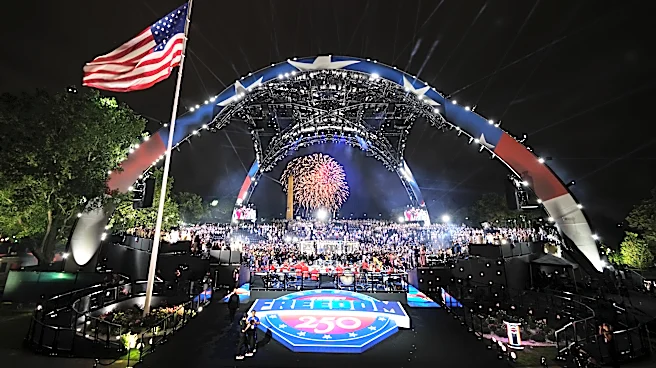
As construction continues, local preservationists and critics are expected to intensify their opposition to the projects, particularly the proposed triumphal arch. Congressional Democrats have introduced legislation to defund the arch project, arguing that it lacks proper congressional approval. The DC Preservation League and other heritage groups are likely to continue advocating for the protection of the city's historical sites. The upcoming Great American State Fair, set to begin on June 25, may provide an opportunity for public engagement and discussion about the future of these projects. The outcome of these debates could influence future urban planning and development decisions in the nation's capital.
Beyond the Headlines
The extensive renovations in Washington, DC, raise broader questions about the balance between modernization and historical preservation. The projects reflect a broader trend of using architecture to assert political legacy, which can lead to conflicts over cultural and historical values. The use of taxpayer funds for such projects also underscores the need for transparency and accountability in government spending. As the city prepares for the 250th anniversary celebrations, these developments may prompt a reevaluation of how national heritage is commemorated and the role of public spaces in reflecting democratic values.