




What's Happening?
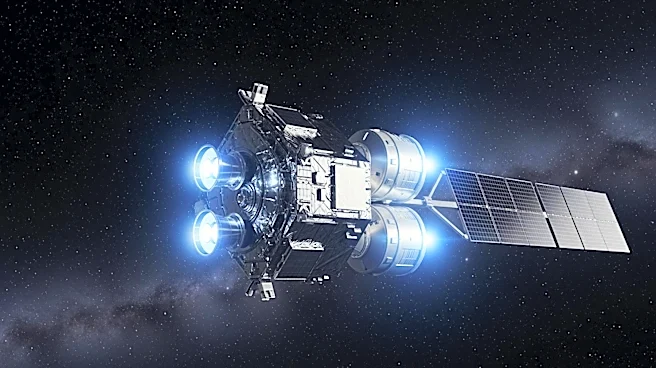
Katalyst Space Technologies is collaborating with NASA to extend the mission of the Neil Gehrels Swift Observatory by boosting its orbit. Engineers have begun testing the LINK robotic servicing spacecraft at NASA's Goddard Space Flight Center. The spacecraft will
attempt to raise Swift's orbit, which has been decreasing due to atmospheric drag exacerbated by recent solar activity. This mission represents a pioneering effort to service and extend the life of existing spacecraft, potentially setting a precedent for future satellite maintenance and sustainability in space operations.
Why It's Important?
The collaboration between NASA and Katalyst highlights a shift towards more sustainable and cost-effective space operations. By extending the life of the Swift Observatory, NASA can continue to gather valuable scientific data without the immediate need for a replacement mission. This approach not only maximizes the return on investment for taxpayers but also demonstrates the potential for private-public partnerships in advancing space technology. The success of this mission could lead to broader adoption of in-orbit servicing, reducing space debris and enhancing the longevity of space assets.
What's Next?
Following the environmental tests at Goddard, the LINK spacecraft will undergo further preparations for its launch later this year. Once in orbit, it will rendezvous with the Swift Observatory to perform the orbital boost. The mission's success could pave the way for similar operations on other aging satellites, potentially revolutionizing how space agencies and companies manage their satellite fleets. The outcome of this mission will be closely watched by the space industry as it explores new methods for maintaining and extending the functionality of space-based assets.