







What's Happening?
The Pentagon is urging the U.S. defense industry to accelerate the production of weapons to replenish depleted munitions stockpiles, particularly those used in the ongoing conflict with Iran. Pentagon spokesman Sean Parnell emphasized the need to boost
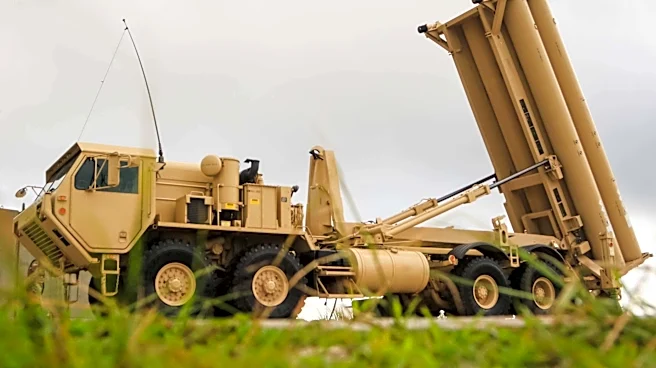
munitions acquisitions to meet the demands of current threats. Deputy Defense Secretary Steve Feinberg has instructed industry leaders to submit plans within 21 days to increase production and delivery schedules. This push comes as the U.S. military's stockpile of advanced missile interceptors, such as Patriot and THAAD, has significantly decreased due to recent operations. The Center for Strategic and International Studies has warned that reduced inventories may force the U.S. and its allies to take more risks in conserving air defenses.
Why It's Important?
The depletion of advanced missile interceptors poses a strategic risk to U.S. military operations and its allies, particularly in the Middle East. The reduced stockpiles could lead to increased vulnerability to missile attacks, as fewer interceptors are available to counter threats. This situation underscores the importance of maintaining robust defense capabilities and the need for a responsive defense industrial base. The Pentagon's call for increased production highlights the challenges of sustaining military readiness in the face of prolonged conflicts and the complexities of modern warfare, where advanced munitions play a critical role.
What's Next?
The Pentagon's directive to the defense industry is expected to influence the fiscal year 2028 budget, with a focus on rebuilding the defense industrial base. The ongoing discussions in Congress regarding defense spending will be crucial, as lawmakers are currently debating a significant increase in the Pentagon's budget. The outcome of these discussions will determine the extent to which the U.S. can address its munitions shortages and enhance its military capabilities. Additionally, the defense industry will need to navigate the challenges of ramping up production, including supply chain constraints and the need for skilled labor.