





What's Happening?
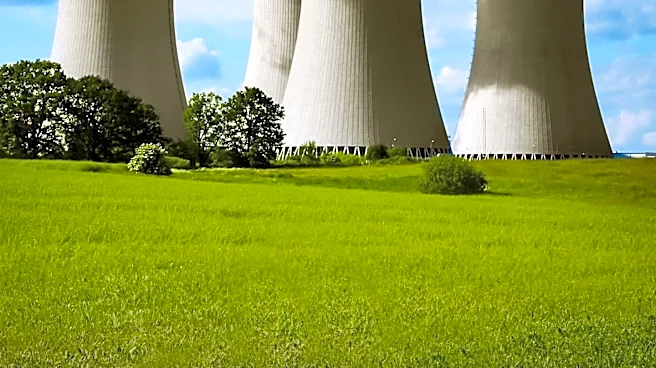
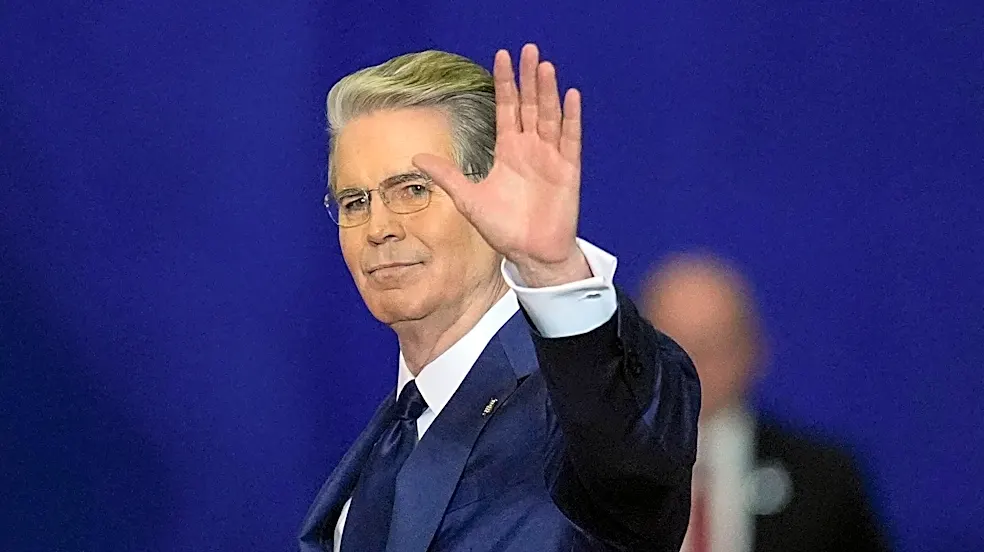
Rafael Grossi, head of the UN nuclear agency, the International Atomic Energy Agency (IAEA), stated in his annual report to the UN General Assembly that global nuclear power capacity could more than triple by 2060. This significant growth is anticipated
to be driven by increasing electrification, the demands of AI-powered data centers, and technology companies' need for reliable, carbon-free energy. Grossi emphasized nuclear power's expanding role in bolstering energy security. He also voiced concerns regarding the nuclear programs in Iran and North Korea, the threats to nuclear safety posed by the conflict in Ukraine, and reports of other nations considering the acquisition of nuclear weapons. Specifically concerning Iran, Grossi noted that the necessary technical groundwork for a diplomatic agreement has been completed, urging parties to redouble efforts for a solution that includes the IAEA's verification role.
Why It's Important?
The projected tripling of nuclear power capacity by 2060 has profound implications for global energy markets and climate change mitigation efforts. For the U.S., this trend could influence domestic energy policy, potentially leading to increased investment in nuclear technology and infrastructure as a means to achieve carbon reduction goals and enhance energy independence. The demand from AI data centers and technology companies highlights a growing need for stable, high-capacity, and carbon-free power sources, which nuclear energy is uniquely positioned to provide. Furthermore, Grossi's concerns about Iran and North Korea underscore ongoing geopolitical tensions and the critical role of international oversight in preventing nuclear proliferation, directly impacting U.S. national security interests and foreign policy strategies aimed at maintaining global stability.
What's Next?
The IAEA will likely continue to advocate for diplomatic solutions regarding Iran's nuclear program, pushing for the return of IAEA inspectors to ensure verification. The agency will also maintain its monitoring efforts in Ukraine, particularly concerning the Zaporizhzhia nuclear power plant, to mitigate safety risks. Globally, the anticipated increase in nuclear power generation will necessitate significant investments in new reactor construction, advanced nuclear technologies, and enhanced safety protocols. This could lead to increased international cooperation in nuclear research and development, as well as potential shifts in energy supply chains. The U.S. and other nations will need to adapt their regulatory frameworks and infrastructure to accommodate this projected expansion, while also addressing the challenges of nuclear waste management and security.
Beyond the Headlines
The push for nuclear power, driven by technological advancements like AI and the urgent need for decarbonization, signals a potential paradigm shift in how nations approach energy production. This resurgence challenges long-standing public perceptions of nuclear energy, often shaped by historical accidents, and highlights a growing recognition of its benefits as a reliable, low-carbon baseload power source. The ethical dimension of nuclear technology, balancing its peaceful applications with the risks of proliferation, remains a central concern. The IAEA's role in verification and diplomacy becomes even more critical in this evolving landscape, as the global community grapples with the dual challenge of meeting escalating energy demands while preventing the spread of nuclear weapons. This trend could also spur innovation in small modular reactors (SMRs) and other advanced nuclear designs, offering more flexible and safer options for future energy grids.