



What's Happening?
Starting January 1, 2026, California will prohibit grocery, pharmacy, liquor, and convenience stores from providing any single-use thin plastic bags or 'reusable' plastic film bags. This move is part of an update to Senate Bill 270, originally introduced
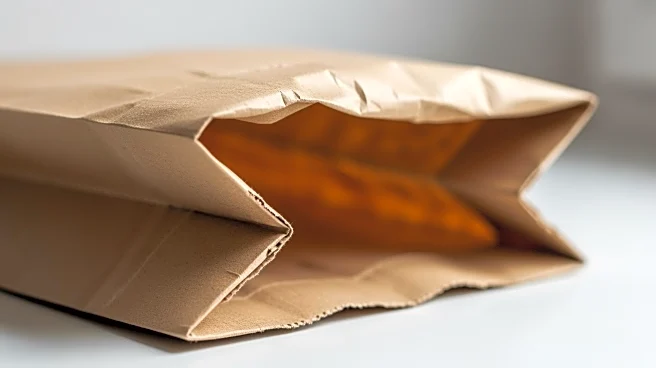
in 2014, which previously allowed thicker plastic bags to be reused up to 125 times. The new legislation, Senate Bill 1053, aims to eliminate the distribution of these thicker film plastic bags. Instead, stores may offer recycled paper bags, which must be sold for at least 10 cents, although individuals on specific food programs may receive them for free. The bags must contain a minimum of 50% post-consumer recycled materials by 2028. This legislation is part of California's broader effort to support sustainable communities and reduce plastic waste.
Why It's Important?
The ban on plastic bags in California represents a significant step in the state's ongoing efforts to reduce environmental pollution and promote sustainability. By eliminating both single-use and thicker reusable plastic bags, the state aims to decrease the amount of plastic waste that ends up in landfills and natural environments. This move could set a precedent for other states considering similar measures, potentially leading to a broader national shift towards more sustainable packaging solutions. The legislation also highlights the growing importance of environmental responsibility in public policy, reflecting increasing consumer and governmental demand for sustainable practices.
What's Next?
As the ban takes effect, businesses and consumers in California will need to adapt to the new regulations. Retailers will likely need to adjust their supply chains to accommodate the increased demand for paper bags and other sustainable alternatives. Consumers may also need to change their shopping habits, potentially increasing the use of personal reusable bags. The success of this initiative could influence other states to adopt similar measures, contributing to a nationwide reduction in plastic waste. Additionally, the legislation may prompt further innovations in sustainable packaging solutions as businesses seek to comply with the new requirements.