






What's Happening?
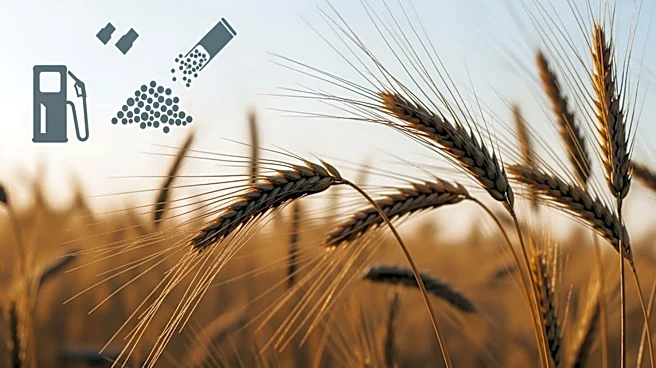
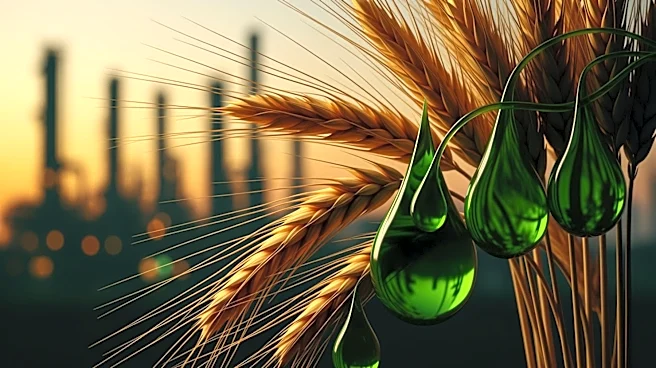
A recent study by Transport & Environment (T&E) highlights a significant increase in global biofuel consumption, projected to rise by 30% this year and 70% by 2030. This surge is driven by efforts to mitigate high oil prices, but it poses a risk to global food
prices, particularly affecting vegetable oils, which have already reached a peak since 2022. The study warns that the push for biofuels could exacerbate food price inflation and lead to shortages in fertilizers. Countries like the US, Indonesia, and Thailand are advancing biofuel blending targets, while major exporters like Brazil and Indonesia are restricting exports of key biofuel crops. T&E's energy and climate director, Kädi Ristkok, cautions against prioritizing biofuels over food security, advocating for more sustainable energy solutions like electrification.
Why It's Important?
The increase in biofuel demand has significant implications for global food security and environmental sustainability. As biofuels require substantial agricultural resources, their expansion could lead to higher food prices and strain on fertilizer supplies, which are already under pressure due to geopolitical tensions and trade restrictions. This situation could disproportionately affect countries heavily reliant on biofuel production, such as Indonesia and the US, which allocate a significant portion of their fertilizers to biofuels. The environmental impact is also concerning, as increased land use for biofuels could lead to deforestation and higher carbon emissions, counteracting the intended benefits of reducing fossil fuel reliance.
What's Next?
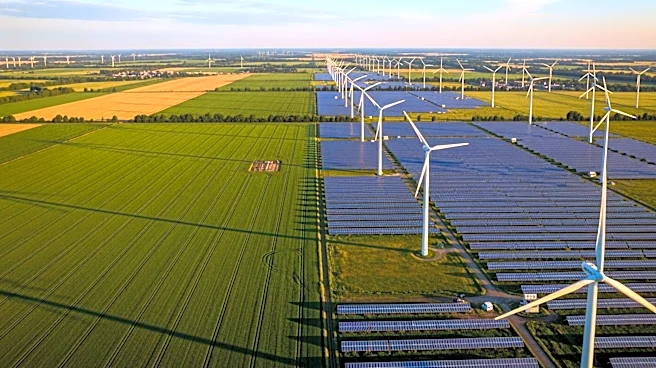
Governments and policymakers face the challenge of balancing energy needs with food security and environmental sustainability. The current trajectory suggests a need for reevaluating biofuel policies and exploring alternative energy sources that do not compete with food production. Stakeholders may need to consider investing in electrification and other renewable energy technologies to reduce dependency on biofuels. Additionally, international cooperation may be necessary to address fertilizer shortages and ensure equitable distribution of resources to prevent a global food crisis.
Beyond the Headlines
The push for biofuels highlights the complex interplay between energy policy and food security. As countries strive to meet energy demands, the ethical implications of diverting food resources for fuel become more pronounced. This situation underscores the need for comprehensive strategies that consider long-term environmental and social impacts. The debate over biofuels also raises questions about the sustainability of current agricultural practices and the potential for innovation in crop production and energy generation.