



What's Happening?
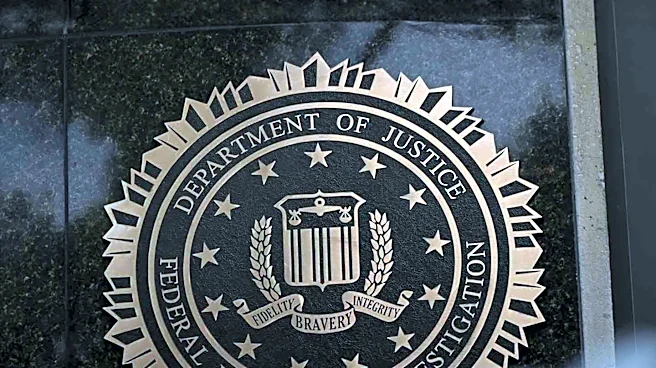
FBI Honolulu has issued a public warning regarding a new, sophisticated variation of a long-running fraud scheme targeting Hawaii residents. Criminals are impersonating federal law enforcement agents, including those from the FBI, DEA, and Secret Service,
to defraud victims. These scammers are employing advanced tactics, such as spoofing official phone numbers of federal law enforcement field offices, including FBI Honolulu's, and using names of both real and fictitious agents. In some instances, fraudsters have even appeared on virtual meeting platforms with staged backgrounds designed to mimic federal offices, complete with official-looking decor and individuals dressed in business attire. The FBI emphasizes that law enforcement agencies will never demand payment or personal information via phone or text message, nor will they request payment through prepaid cards, cryptocurrency, or couriers.
Why It's Important?
This warning is crucial for protecting Hawaii residents from financial exploitation and identity theft. The increasing sophistication of these scams makes it difficult for individuals to discern legitimate communications from fraudulent ones, potentially leading to significant financial losses. The use of spoofed phone numbers and staged virtual environments creates a false sense of authenticity, eroding public trust in official communications. The FBI's proactive alert aims to educate the community on how to identify and avoid these scams, thereby safeguarding personal finances and sensitive information. The prevalence of such schemes underscores the ongoing challenge of cybercrime and the need for constant vigilance in an increasingly digital world.
What's Next?
FBI Honolulu urges the public to take immediate protective measures. Residents are advised never to send money, transfer funds, or provide personal information to anyone claiming to be a federal law enforcement officer via phone or text. If contacted, individuals should verify the caller's identity by independently looking up the agency's publicly listed phone number and calling it back. It is critical not to use contact information provided by the suspicious caller. Any suspicious web page URLs should be carefully reviewed to ensure they match official government domains. Victims of these impersonation scams are encouraged to immediately cease contact with the scammers, notify their financial institutions, file a report with local law enforcement, and submit a complaint to the FBI's Internet Crime Complaint Center (IC3) at www.ic3.gov, providing all available details and screenshots.
Beyond the Headlines
The rise of these highly sophisticated impersonation scams highlights a broader societal vulnerability to digital deception. The ability of fraudsters to mimic official communications and create convincing virtual environments points to the evolving nature of cybercrime, moving beyond simple phishing attempts to more elaborate social engineering tactics. This trend not only poses a direct financial threat but also undermines public confidence in digital interactions and official institutions. Addressing this challenge requires a multi-faceted approach, including continuous public education, technological advancements in cybersecurity, and robust law enforcement efforts to track and prosecute perpetrators. The psychological impact on victims, who often feel violated and embarrassed, also warrants greater attention and support.