



What's Happening?
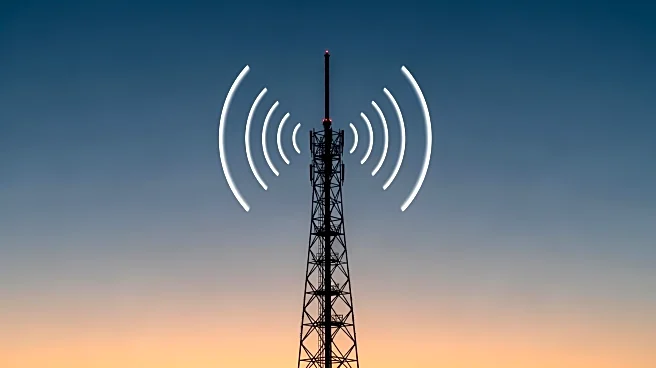
President Trump has proposed significant changes to the licensing process for television networks, suggesting that networks like NBC should pay substantial fees for their licenses. This proposal comes amidst ongoing tensions between the Trump administration
and media outlets, with Trump frequently criticizing networks he perceives as adversarial. The current licensing process, overseen by the FCC, requires networks to operate in the public interest, with licenses renewed every eight years. Trump's comments have raised concerns among press freedom advocates about potential impacts on media independence and freedom of speech.
Why It's Important?
Trump's proposal could have far-reaching implications for the broadcast industry, potentially altering the financial landscape for networks and impacting their operations. The suggestion to overhaul the licensing process reflects broader tensions between the administration and the media, highlighting ongoing debates over press freedom and government regulation. If pursued, such changes could lead to legal challenges and significant shifts in how media organizations operate, with potential consequences for public access to information and the diversity of viewpoints in the media landscape.
What's Next?
Implementing Trump's proposed changes would require legislative action, making it unlikely to occur without significant political support. The proposal may prompt increased advocacy from media organizations and press freedom groups, seeking to protect the independence of the press. The ongoing tensions between the administration and media outlets are likely to continue, influencing public discourse and potentially impacting future policy decisions. The proposal also raises questions about the balance between government regulation and media freedom, with potential implications for the broader media landscape.