






What's Happening?
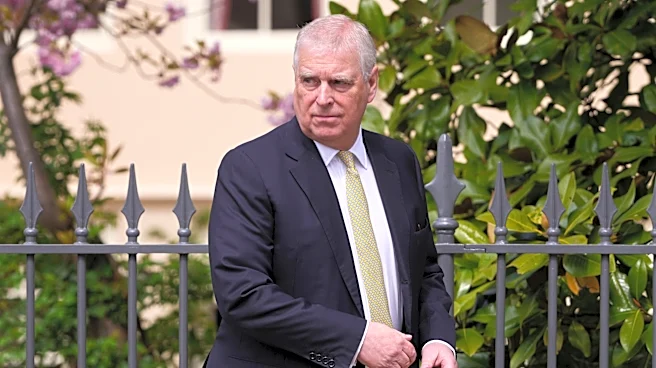
The British government has released documents revealing that Andrew Mountbatten-Windsor, formerly known as Prince Andrew, was appointed as a trade envoy in 2001 without any formal due diligence or security vetting. This disclosure comes after an opposition
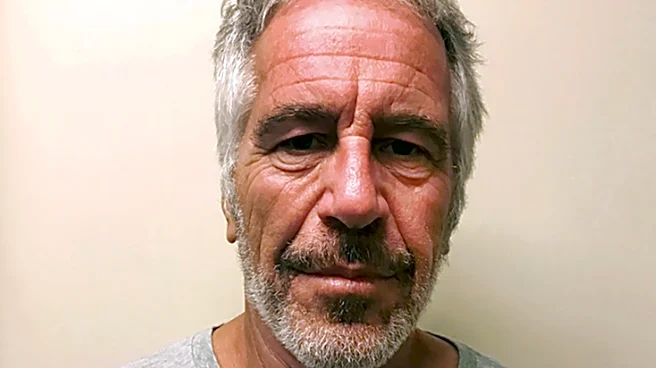
party in the UK parliament requested the publication of files related to his appointment. Mountbatten-Windsor served as the UK's special representative for international trade and investment from 2001 to 2011, a role that allowed him to engage with senior business and government figures globally. The release of these documents follows his recent arrest on suspicion of misconduct in public office and the subsequent stripping of his royal title by King Charles due to his association with the late Jeffrey Epstein.
Why It's Important?
The revelation of the lack of vetting in Andrew Mountbatten-Windsor's appointment as a trade envoy raises significant concerns about the oversight and accountability of public appointments, especially those involving high-profile figures. This situation underscores the potential risks of appointing individuals to influential positions without thorough background checks, which could lead to conflicts of interest or misuse of power. The controversy also highlights the ongoing scrutiny of Mountbatten-Windsor's past associations, particularly with Jeffrey Epstein, which has already led to reputational damage and legal challenges. The case may prompt calls for more stringent vetting processes for public roles, especially those involving international representation.
What's Next?
The UK government may face increased pressure to review and possibly reform its vetting procedures for public appointments to prevent similar oversights in the future. There could be further investigations into other appointments made without proper vetting, potentially leading to policy changes. Additionally, Mountbatten-Windsor's legal and public relations challenges are likely to continue, as he navigates the fallout from his past associations and the loss of his royal title. The situation may also influence public opinion on the accountability of the British monarchy and its members.