



What's Happening?
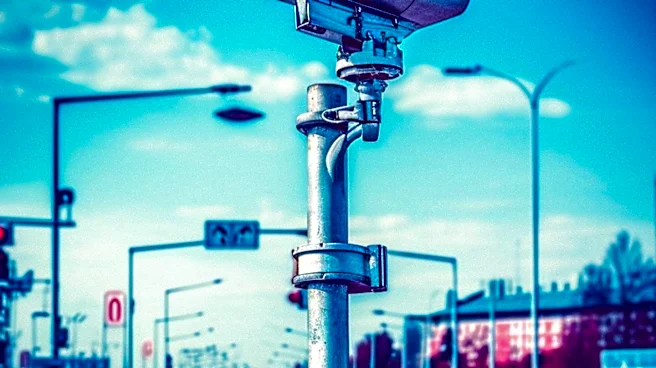
Lincoln County commissioners have voted 3-2 to approve a three-year agreement to lease up to four roadside weather stations from Frost Solutions, at an annual cost of approximately $11,500. The decision, made on Tuesday, aims to enhance the county's winter
road treatment strategies. Highway Superintendent Terry Fluit stated that these weather stations would provide crucial data, including pavement temperatures and road images. This information will assist supervisors in making more informed decisions regarding when to deploy road treatment crews and the appropriate amount of treatment to apply. The primary goals are to reduce the need for overnight in-person inspections and to enable proactive road treatment before morning commuters begin their travel, thereby improving road safety and efficiency during winter conditions. The vote was not unanimous, with some commissioners expressing skepticism about the potential cost savings and requesting more detailed information before committing to the expenditure.
Why It's Important?
This decision by Lincoln County is significant for local infrastructure management and public safety. By leveraging advanced weather station technology, the county aims to optimize its response to winter weather, potentially leading to safer driving conditions for residents and commuters. The ability to monitor pavement temperatures and road conditions remotely could result in more timely and effective deployment of resources, reducing accidents and traffic disruptions caused by icy or snowy roads. For taxpayers, the importance lies in the potential for cost savings through reduced overtime for manual inspections and more efficient use of road treatment materials. However, the dissenting votes highlight a common challenge in public spending: balancing initial investment costs with projected long-term benefits and ensuring accountability for those benefits. If successful, this initiative could serve as a model for other counties facing similar winter weather challenges, demonstrating how technology can improve municipal services and public welfare.
What's Next?
Following the approval, Highway Superintendent Terry Fluit is authorized to finalize the three-year agreement with Frost Solutions. The next steps will involve the installation and integration of the up to four roadside weather stations across Lincoln County. Once operational, county highway supervisors will begin utilizing the real-time data on pavement temperatures and road images to inform their winter road treatment decisions. The effectiveness of this new system will likely be evaluated over the upcoming winter seasons, with particular attention paid to whether it achieves the stated goals of reducing overnight inspections, improving treatment efficiency, and ultimately enhancing road safety. Future discussions may revolve around the actual cost savings realized and the overall impact on the county's winter maintenance budget and operational procedures. The initial skepticism from some commissioners suggests that the program's performance will be closely monitored.
Beyond the Headlines
The adoption of roadside weather stations by Lincoln County reflects a broader trend in municipal governance towards integrating smart technology for infrastructure management. This move goes beyond simply treating roads; it represents a shift towards predictive and data-driven decision-making in public services. The ethical implications include ensuring data privacy and security, especially if the system collects any traffic or public movement data, though the current focus is on environmental conditions. Legally, the county will need to ensure that the contract with Frost Solutions is robust and clearly defines responsibilities and performance metrics. Culturally, this initiative could foster greater public trust in government efficiency, as residents experience improved road conditions and potentially fewer weather-related disruptions. Long-term, the success of such systems could pave the way for more comprehensive smart city initiatives, where interconnected sensors and data analytics are used to manage various aspects of urban and rural infrastructure, from traffic flow to utility maintenance, fundamentally changing how local governments operate and serve their communities.