





What's Happening?
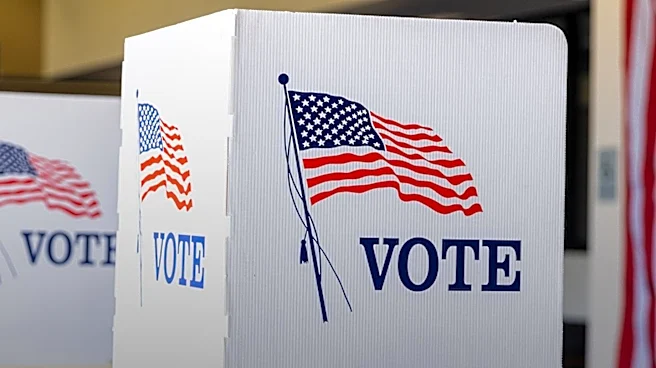
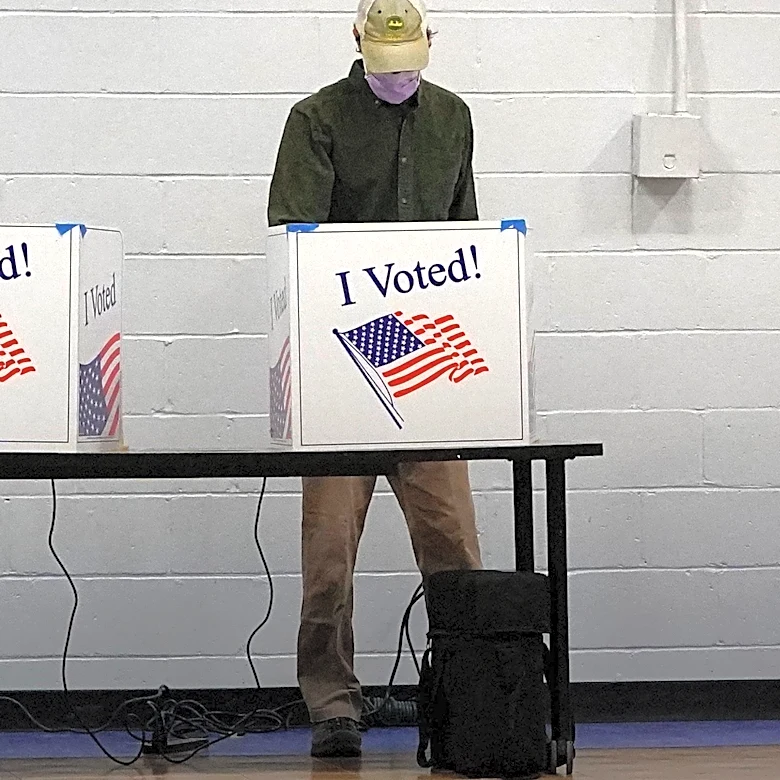
On Election Day, various Vermont towns are holding votes on critical local issues beyond the gubernatorial race. These include decisions on school budgets, local option taxes, and multimillion-dollar bond votes for public works projects. For instance,
the Central Vermont Career Center School District is seeking approval for a nearly $55 million bond to build a new career center, a scaled-back proposal after a larger one was rejected last year. The Barre Unified Union School District is making its fourth attempt to pass a $56.6 million budget. Additionally, towns like Bennington, Essex, and Hinesburg are voting on a 1% local option tax, while several others are considering bond votes for infrastructure and wastewater projects. Bradford voters will also decide on amending their town charter to allow the recall of elected officers.
Why It's Important?
These local ballot measures are crucial as they directly impact the quality of education, local infrastructure, and the financial burden on residents. The approval or rejection of school budgets determines funding for educational programs, teacher salaries, and facility maintenance, directly affecting students and families. Bond votes for public works projects, such as wastewater systems, are essential for public health, environmental protection, and community development. Local option taxes can provide municipalities with additional revenue streams to fund services or reduce property tax reliance. The proposal to allow the recall of elected officers in Bradford reflects a desire for increased accountability and citizen oversight in local governance. The outcomes of these votes will shape the daily lives of Vermonters and the future development of their communities.
What's Next?
Following Election Day, the results of these local votes will determine the immediate future of school funding, infrastructure development, and local taxation in the affected Vermont towns. If school budgets are approved, districts can proceed with their educational plans; if rejected, they may need to revise and resubmit proposals. Approved bond measures will allow public works projects to move forward, while rejected ones could delay critical infrastructure improvements. The implementation of local option taxes will introduce new revenue streams for municipalities. The decision on the recall of elected officers in Bradford could set a precedent for increased accountability in local government. These outcomes will necessitate adjustments in local planning and resource allocation for the coming years.
Beyond the Headlines
The multitude of local ballot measures across Vermont highlights the significant role of direct democracy in shaping community life. The repeated rejections of school budgets and large bond proposals, as seen in Barre and Williston, indicate a strong public demand for fiscal prudence and transparency in local spending. This trend suggests that communities are increasingly scrutinizing public expenditures and demanding cost-effective solutions. The debate over local option taxes and the recall of elected officials also points to a broader conversation about local autonomy, fiscal responsibility, and citizen empowerment. These local decisions collectively reflect the diverse priorities and challenges faced by Vermont communities, offering a microcosm of broader democratic processes at play.