



What's Happening?
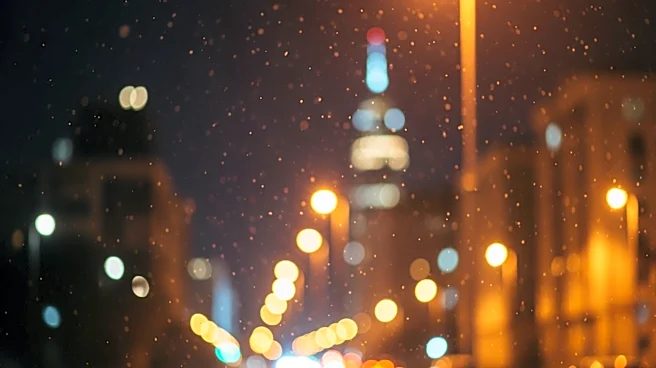
Recent research has identified that artificial city lights are contributing to the extension of pollen allergy seasons, affecting millions of urban residents. The study, led by Dr. Lin Meng at Vanderbilt University, found that artificial light at night
(ALAN) from streetlights and other outdoor fixtures delays the end of pollen seasons. This prolongs allergen exposure, causing extended discomfort for those with allergies. The research focused on Northeastern U.S. cities, where the correlation between night lighting and longer pollen seasons was particularly evident. Plants rely on photoperiods, or the length of daylight, to regulate flowering. ALAN disrupts this natural cycle by adding artificial daylight hours, delaying the cues that signal the end of flowering. This phenomenon is particularly pronounced in the fall, when light at night can delay the natural aging process of leaves, keeping pollen-producing plants active longer.
Why It's Important?
The extension of pollen seasons due to artificial lighting has significant implications for public health and urban planning. With over 25% of U.S. adults suffering from seasonal allergies, prolonged exposure to pollen can lead to increased healthcare needs and reduced productivity. The study highlights that in areas with high ALAN, 27% of days during the pollen season reach severe allergen levels, compared to 17% in darker areas. This increased exposure can exacerbate symptoms such as sneezing, itchy eyes, and congestion, leading to greater reliance on medication and more frequent medical visits. Additionally, the findings suggest that urban planning and lighting design could play a crucial role in mitigating these effects. By reducing unnecessary nighttime lighting and selecting lower-pollen plant species for urban areas, cities can potentially decrease allergen exposure and improve quality of life for residents.
What's Next?
The study suggests that cities could take actionable steps to mitigate the impact of ALAN on pollen seasons. Implementing lighting strategies that minimize unnecessary exposure, such as using shielded fixtures and motion sensors, could help reduce the artificial extension of daylight hours. Urban planners might also consider planting lower-pollen species in densely populated areas to further decrease allergen levels. Future research is needed to establish a direct causal relationship between ALAN and extended pollen seasons, which could inform more targeted interventions. As cities continue to grow and develop, integrating these findings into urban planning and public health strategies could help alleviate the burden of seasonal allergies on urban populations.