



What's Happening?
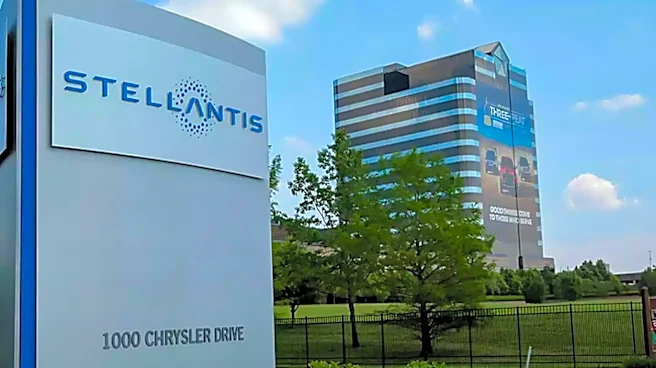
Stellantis has issued two separate safety recalls affecting more than 500,000 vehicles. The first recall targets over 230,000 Ram 1500 vehicles from the 2025-2026 model years. This recall is due to a radio software error that can prevent the rearview
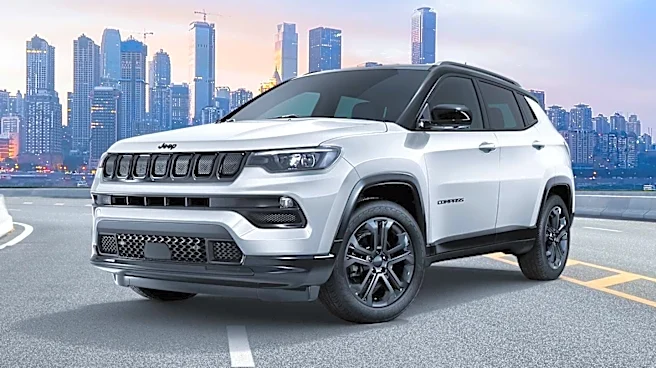
camera image from displaying, thereby increasing the risk of a crash. The company plans to address this issue through an over-the-air software update or a free dealer service. The second recall impacts over 300,000 Jeep Grand Cherokee vehicles, including 2022-2023 Jeep Grand Cherokee, 2021-2023 MY Jeep Grand Cherokee L, and 2022-23 Jeep Grand Cherokee PHEV models. For these vehicles, the issue is an incorrectly installed rear coil spring that could detach while driving, leading to a potential crash without warning. The National Highway Traffic Safety Administration (NHTSA) attributes this to an assembly or repair issue. Owners of affected Jeep vehicles are advised not to drive them, and FCA US will replace both rear coil spring lower isolators.
Why It's Important?
These recalls are significant for vehicle safety and consumer confidence in Stellantis brands. The rearview camera malfunction in Ram 1500 trucks poses a direct safety hazard, as drivers rely on these systems for safe maneuvering and parking, especially in crowded environments. A lack of rearview visibility can lead to collisions with other vehicles, pedestrians, or objects. The more severe issue with the Jeep Grand Cherokee models, involving a potentially detaching rear coil spring, presents a critical risk of loss of vehicle control and serious accidents. Such mechanical failures can have catastrophic consequences, highlighting the importance of stringent manufacturing and assembly processes. For Stellantis, these recalls could impact its reputation and financial performance, as large-scale recalls often incur substantial costs for repairs, logistics, and potential legal liabilities. The company's proactive measures, such as over-the-air updates for software issues and physical part replacements for mechanical defects, are crucial for mitigating these risks and maintaining consumer trust.
What's Next?
Stellantis will proceed with notifying affected vehicle owners and implementing the necessary repairs. For the Ram 1500 recall, owners can expect to receive instructions for the radio software update, which will likely be conducted remotely via over-the-air updates or at authorized dealerships. Owners of the recalled Jeep Grand Cherokee models will be advised to stop driving their vehicles immediately and arrange for the replacement of the rear coil spring lower isolators at no cost. The NHTSA will continue to monitor the recall process to ensure compliance and effectiveness. These actions are critical to prevent potential accidents and ensure the safety of drivers and passengers. The company's response and the efficiency of these recall campaigns will be closely watched by consumers and regulatory bodies, influencing future purchasing decisions and regulatory scrutiny.
Beyond the Headlines
These recalls underscore the complex challenges faced by modern automotive manufacturers, particularly with the increasing integration of software and advanced mechanical components. The Ram 1500 recall highlights the growing importance of software integrity in vehicle safety systems, where even seemingly minor glitches can have significant safety implications. The Jeep Grand Cherokee recall, on the other hand, points to the enduring need for meticulous quality control in manufacturing and assembly, as mechanical failures can be even more dangerous. These incidents could prompt Stellantis and the broader automotive industry to re-evaluate their quality assurance protocols, both in software development and physical production. Furthermore, the use of over-the-air updates for software-related issues demonstrates a technological advancement that can expedite recall processes and minimize inconvenience for vehicle owners, potentially setting a precedent for future recalls across the industry.