



What's Happening?
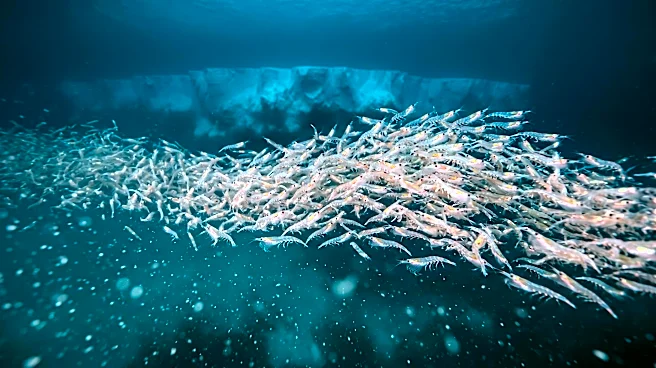
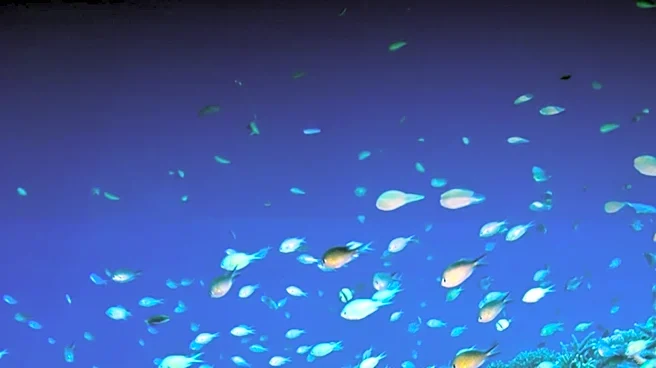
The Antarctic krill fishery is under scrutiny due to significant sustainability concerns, as highlighted by Florida State University. Krill, small shrimp-like crustaceans, are a foundational component of the Southern Ocean food web, converting phytoplankton
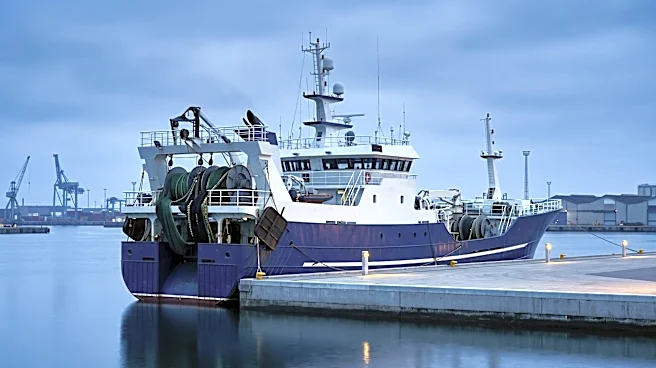
into energy for larger marine animals such as whales, seals, and penguins. Commercial harvesting of krill, primarily for omega-3-rich supplements and aquaculture feed, has raised alarms among marine scientists and conservation bodies regarding potential overfishing. The Commission for the Conservation of Antarctic Marine Living Resources (CCAMLR) is responsible for overseeing krill fishing policies, emphasizing an ecosystem-based approach to maintain predator populations. This approach includes spatial management, restricting fishing in certain areas and around penguin colonies, and setting precautionary catch limits based on biomass surveys. However, the complexity of managing this fishery is further compounded by climate change, which is altering krill habitats and availability due to warming waters and melting ice.
Why It's Important?
The sustainability of the Antarctic krill fishery is critically important due to krill's central role in the Southern Ocean ecosystem. A decline in krill populations could trigger cascading negative effects throughout the entire marine food web, impacting the survival and reproductive success of numerous species, including commercially important fish and iconic Antarctic wildlife like whales and penguins. The commercial demand for krill, particularly for aquaculture feed and dietary supplements, creates economic pressure on this vital resource. Ensuring the long-term health of krill populations is essential not only for ecological balance but also for the industries that rely on krill products. The management strategies employed by organizations like CCAMLR are crucial in balancing commercial interests with conservation needs, aiming to prevent overfishing and protect the delicate Antarctic ecosystem from irreversible damage. The interplay between fishing pressure and climate change further complicates management efforts, making robust scientific monitoring and international cooperation indispensable.
What's Next?
Future efforts will focus on refining krill stock assessments through advanced acoustic technology and satellite-based ocean monitoring to improve accuracy and enforce spatial closures more effectively. The ongoing challenge will be to balance commercial opportunities with conservation imperatives. This will require responsible fishing practices, continuous robust scientific monitoring, and enhanced international cooperation to ensure the long-term viability of krill populations. There is also increasing interest in krill as a source of novel compounds, such as antioxidants and marine proteins, which could further influence demand and necessitate even more stringent management. The impact of climate change on krill habitats will continue to be a critical factor, requiring adaptive management strategies to account for changing environmental conditions and their effects on krill availability and distribution.
Beyond the Headlines
The debate surrounding the Antarctic krill fishery extends beyond immediate catch limits and ecological impacts, touching upon broader ethical and environmental considerations. The reliance on krill for aquaculture feed, particularly for farmed salmon, highlights the interconnectedness of global food systems and the potential for distant ecological pressures to influence consumer choices and industry practices. The ethical implications of harvesting a keystone species, especially one facing threats from climate change, raise questions about humanity's responsibility to protect vulnerable ecosystems. Furthermore, the scientific and technological advancements in krill monitoring and assessment underscore the evolving nature of conservation science and the need for continuous innovation to address complex environmental challenges. The long-term shifts triggered by this development could include a greater emphasis on alternative, sustainable sources for omega-3s and aquaculture feed, potentially driving innovation in areas like microalgae cultivation to reduce pressure on wild krill stocks.