






What's Happening?
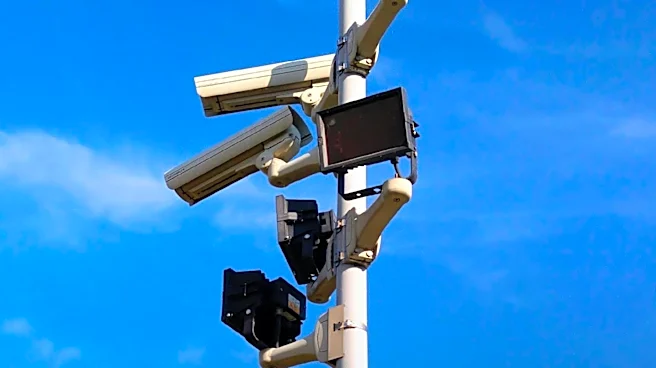
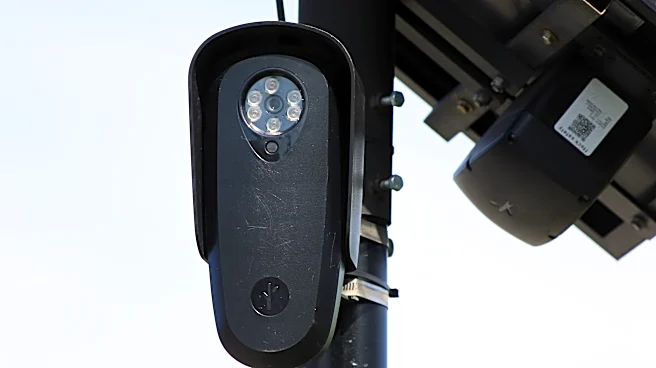
Flock, a surveillance technology company, is experiencing increased public backlash and calls for vandalism against its automated license plate readers (ALPRs). This surge in negative sentiment follows reports of police misuse of the system, including
instances of officers allegedly stalking former partners and Immigration and Customs Enforcement (ICE) agents accessing local police Flock systems without dedicated contracts. The company's CEO, Garrett Langley, recently apologized for documented abuses of the system. An online campaign, dubbed 'De-Flock America,' is encouraging participants to vandalize Flock's ALPRs on Halloween 2026, with posts circulating on social media platforms. In response to the growing criticism, Flock announced several changes, including reducing its standard data retention period from 30 days to seven, introducing an 'Evidence Mode' for law enforcement to retain data for ongoing casework, and implementing controls for police agencies to restrict search types by outside forces. Additionally, Flock will make its 'Audit Assistance' feature, which detects unusual search activity, mandatory by year-end, a tool that has been linked to arrests of officers who allegedly abused the system.
Why It's Important?
The escalating backlash against Flock surveillance highlights significant concerns regarding privacy, civil liberties, and the potential for abuse of advanced surveillance technologies in the U.S. The reported misuse by law enforcement, including stalking and unauthorized data access, erodes public trust in both the technology and the institutions employing it. This situation could lead to increased public demand for stricter oversight and regulation of surveillance technologies, potentially impacting other companies in the sector. The calls for vandalism, while illegal, underscore the depth of public frustration and could prompt a more aggressive stance from civil liberties organizations. For municipalities and police departments, the controversy raises questions about the ethical deployment of ALPRs, the need for robust accountability mechanisms, and the potential for legal challenges related to data privacy and constitutional rights. The incident involving officer Christopher Goodson, who allegedly used Flock to search for his estranged wife's license plate 717 times, exemplifies the critical need for stringent internal controls and auditing within law enforcement agencies.
What's Next?
In the immediate future, Flock will likely face continued scrutiny and potential legal challenges as the 'De-Flock America' campaign gains traction. The company's announced changes, such as reduced data retention and mandatory audit features, will be closely watched to see if they effectively address privacy concerns and prevent misuse. Law enforcement agencies utilizing Flock systems may need to review and strengthen their internal policies and training regarding ALPR data access and usage to avoid similar incidents and maintain public trust. Civil liberties groups are expected to intensify their advocacy for comprehensive legislation to regulate surveillance technologies, potentially pushing for federal or state-level laws that limit data collection, retention, and sharing. The broader debate about the balance between public safety and individual privacy in the age of pervasive surveillance is set to continue, potentially influencing future technological deployments and legal precedents in the U.S.
Beyond the Headlines
Beyond the immediate operational and legal challenges, the Flock surveillance controversy touches upon deeper societal questions about the nature of privacy in a technologically advanced world and the evolving relationship between citizens and the state. The ease with which ALPR data can be accessed and potentially misused raises fundamental concerns about the 'panopticon effect' – the feeling of being constantly watched, which can chill free expression and association. The incident also highlights the ethical responsibilities of technology companies to design systems with robust safeguards against abuse and to respond transparently when such abuses occur. The public's reaction, including calls for direct action against surveillance infrastructure, suggests a growing tension between technological advancement and democratic values. This could lead to a broader re-evaluation of how public spaces are monitored and the extent to which personal data should be collected and retained by both private companies and government entities, potentially shaping future norms around digital rights and civic engagement.