




What's Happening?
Waterbury, Connecticut, is on the brink of a significant public transportation disruption as Teamsters Local 1035, representing employees of North East Transportation, has authorized a strike. The union's contract with North East Transportation, which
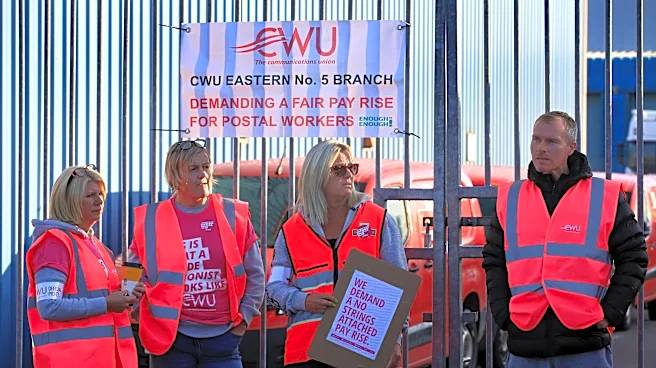
operates the CTtransit Waterbury Division under contract with the Connecticut Department of Transportation (CTDOT), is set to expire on November 30. The union has publicly announced its strike preparations, indicating that members are ready for a potential work stoppage. This development follows initial reporting by The Waterbury Times on November 10 regarding the looming contract deadline. The potential strike could impact 23 designated fixed-route bus routes, six additional tripper routes, and three regional routes connecting Waterbury to New Haven, Hartford, and Meriden, affecting thousands of residents across Greater Waterbury and surrounding communities like Middlebury, Naugatuck, Watertown, and Wolcott. The union is seeking fair wages, paid time off, protections against excessive workplace surveillance, and the right to honor picket lines of fellow union members, and has stated it will not accept a contract extension or concessions.
Why It's Important?
A strike by North East Transportation employees would have far-reaching consequences for Waterbury and its surrounding communities, impacting daily life for thousands of residents. For many, particularly working residents, senior citizens, and individuals with disabilities, public transportation is their primary means of accessing employment, medical appointments, grocery stores, and other essential services. A disruption to ADA paratransit services, also operated by North East Transportation, could be particularly severe for those who rely on scheduled transportation for medical care. Students who use public transportation for educational programs and employment would also face challenges. Local employers and businesses could experience attendance issues among staff and reduced foot traffic from customers. While the Metro-North Railroad's Waterbury Branch would remain operational, it does not offer the same local coverage as the bus network, and alternative private transportation options are not universally accessible or affordable. The situation highlights the critical role of public transportation as an essential public service and the potential for labor disputes to significantly impact community access and mobility.
What's Next?
With the contract expiration set for November 30, negotiations between Teamsters Local 1035 and North East Transportation will continue, though the union has stated only two bargaining sessions remain. While strike authorization is in place, a strike is not inevitable, and an agreement could still be reached before the deadline. The Waterbury Times is actively seeking clarification from CTDOT and North East Transportation regarding the potential public impact of a work stoppage, including the scope of service interruption, the status of Waterbury ADA paratransit, and the existence of contingency plans. Residents, transportation officials, and the state are urged to prepare for potential disruptions. The historical record shows that Connecticut's bus system has experienced major labor disruptions in the past, such as the 1972 strikes that led to state intervention and subsidies, underscoring the potential for significant and prolonged service interruptions if an agreement is not reached.
Beyond the Headlines
This potential strike in Waterbury underscores broader issues concerning labor rights, essential public services, and the responsibilities of government and private contractors in maintaining critical infrastructure. The union's demands for fair wages, paid time off, and protections against surveillance reflect ongoing national conversations about worker welfare and privacy in the workplace. The reliance of vulnerable populations, such as the elderly and disabled, on public transportation highlights the ethical imperative for robust contingency planning by state and local authorities. The situation also brings to light the complex relationship between private companies operating public services under contract and the state's role in ensuring continuity of service. The outcome of these negotiations could set precedents for future labor disputes in public transportation sectors, influencing how essential services are managed and how worker demands are addressed in the context of public need.