
What's Happening?
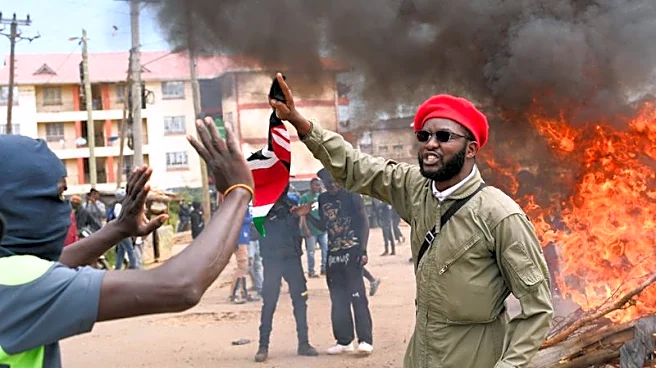
South African President Cyril Ramaphosa has announced a diplomatic initiative to address the fallout from recent anti-immigrant violence in the country. Speaking in Pretoria alongside Kenyan President William
Ruto, Ramaphosa stated that South Africa would send envoys across Africa and globally to engage with regional and international partners. This move aims to manage tensions surrounding migration and attacks on foreign nationals. The violence has prompted several African governments, including Malawi, Mozambique, and Ghana, to begin repatriating their citizens from South Africa. Ramaphosa emphasized that the majority of South Africans are not xenophobic and reiterated the government's commitment to resolving these issues and restoring regional confidence.
Why It's Important?
The diplomatic outreach by President Ramaphosa is significant as it seeks to mitigate the impact of anti-immigrant violence on South Africa's relations with other African nations. The violence has revived memories of previous xenophobic attacks in 2008, 2015, and 2019, which strained diplomatic ties and led to economic and social repercussions. By engaging with regional partners, South Africa aims to address migration issues collaboratively, potentially preventing further violence and fostering regional stability. The initiative also highlights the importance of maintaining good diplomatic relations and the potential economic implications of strained ties, as many African countries have significant economic interactions with South Africa.
What's Next?
As South Africa dispatches envoys, the focus will be on diplomatic engagement to reassure African partners and address migration challenges. The success of these efforts will depend on the cooperation of regional governments and the effectiveness of the diplomatic missions. Additionally, the South African government will need to implement measures to prevent future violence and ensure the safety of foreign nationals. The response from other African nations, particularly those repatriating citizens, will be crucial in shaping the regional dynamics and the future of migration policies in the continent.