



What's Happening?
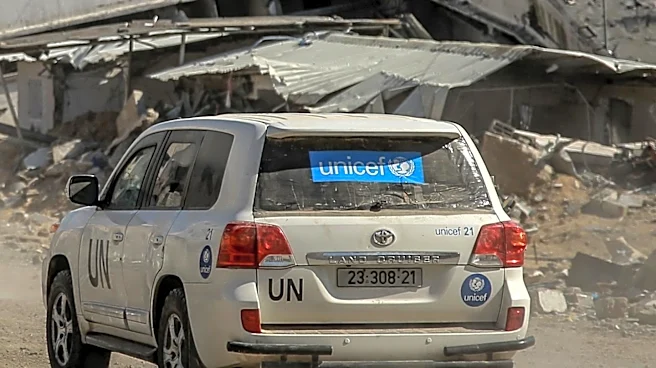
UNICEF is implementing a humanitarian approach in Mexico focused on strengthening the capacity of government institutions at federal and state levels. This initiative aims to enhance their ability to anticipate, prepare for, and effectively respond to emergencies
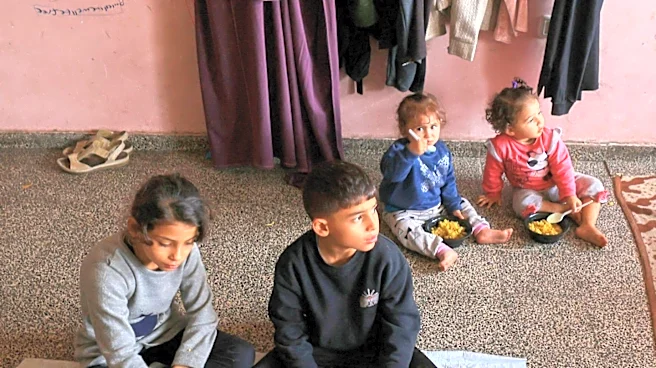
impacting children. Mexico faces a complex humanitarian context due to large-scale mixed migration, organized and armed violence, and recurrent climate-related hazards such as hurricanes and earthquakes. These factors place millions of children at risk annually, with projections indicating several million children across Latin America and the Caribbean will require humanitarian assistance by 2026. UNICEF's role extends beyond direct assistance to the most vulnerable children and families; it also involves leading and sustaining a coherent, principled humanitarian response and supporting the Mexican government in building long-term capacity to prevent, prepare for, and respond to future crises. The Emergency Specialist position, under the guidance of the Deputy Representative Programme, is central to developing, planning, implementing, monitoring, and evaluating emergency interventions to ensure the survival and well-being of children and mothers.
Why It's Important?
This system-strengthening approach is crucial for ensuring a sustainable and effective humanitarian response in Mexico, a country significantly affected by various crises. By empowering government institutions, UNICEF is fostering national ownership and long-term resilience, reducing the dependency on external aid for every new emergency. This strategy is vital for protecting children who are particularly vulnerable to family separation, exploitation, trafficking, and disruptions to essential services like health and education during crises. The focus on building national capacity means that responses will be more localized, culturally appropriate, and integrated into existing governmental structures, leading to more efficient and impactful aid delivery. This approach also sets a precedent for other nations facing similar challenges, demonstrating how international organizations can work collaboratively with national governments to create lasting solutions rather than merely providing temporary relief.
What's Next?
The Emergency Specialist will continue to act as the Country Office's focal point for emergency preparedness and response, working across various sections and representing UNICEF in inter-agency humanitarian coordination mechanisms, including the UNETE, co-coordinated by UNICEF and UNDP. This role also involves supporting the Government of Mexico's national emergency preparedness and response systems and institutions. The ongoing efforts will focus on strengthening national and subnational counterparts' preparedness and response systems, protocols, and institutional capacities. The goal is to ensure that the gains made are sustained and owned by the government beyond the duration of any single response. This continuous engagement aims to build a robust framework that can effectively address the projected humanitarian needs of millions of children in the region by 2026 and beyond.
Beyond the Headlines
The emphasis on system strengthening reflects a broader shift in humanitarian aid philosophy, moving from purely reactive interventions to proactive capacity building. This approach acknowledges that sustainable solutions to complex humanitarian crises require empowering local actors and integrating aid efforts within national frameworks. The ethical implications of this strategy include ensuring that national systems are equitable and reach the most marginalized populations, and that the transfer of responsibility does not inadvertently lead to a reduction in international accountability. Culturally, this approach respects national sovereignty and promotes self-reliance, fostering a sense of ownership and dignity among affected communities. Long-term, this could lead to more resilient nations better equipped to handle future disasters and protect their most vulnerable citizens, reducing the cycle of dependency on international aid.