






What's Happening?
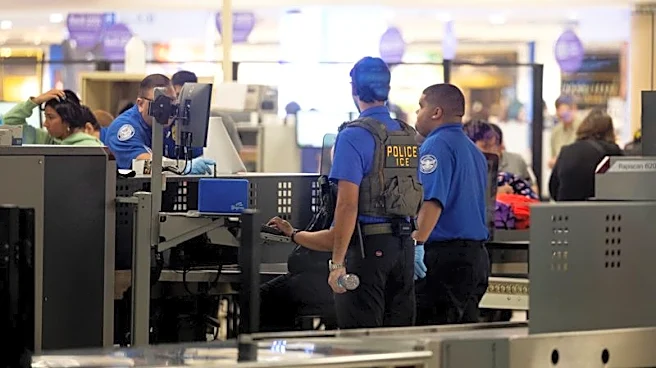
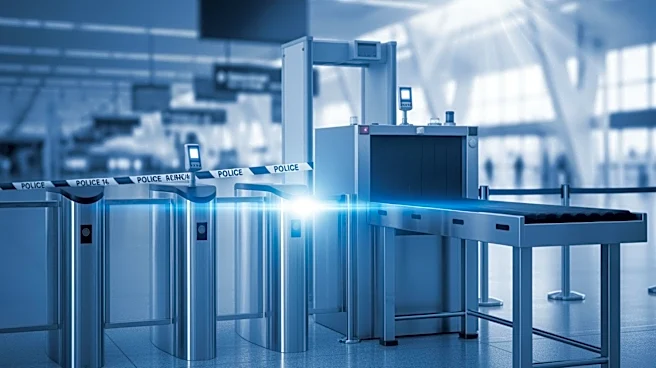
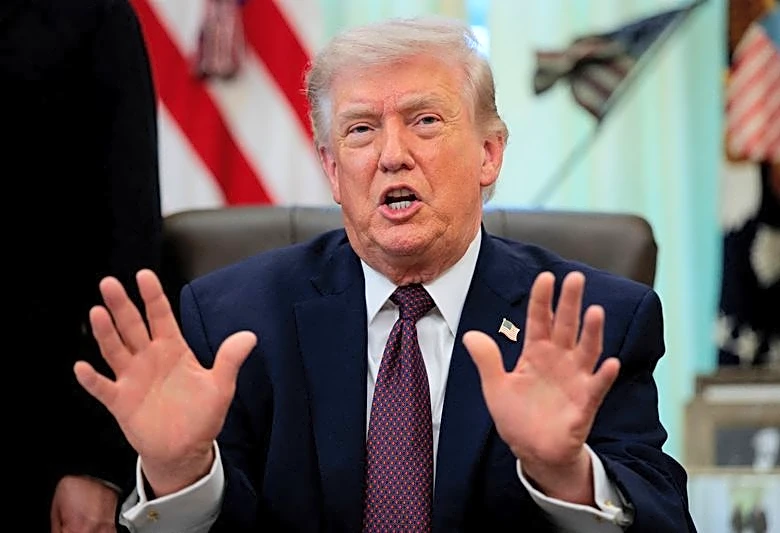
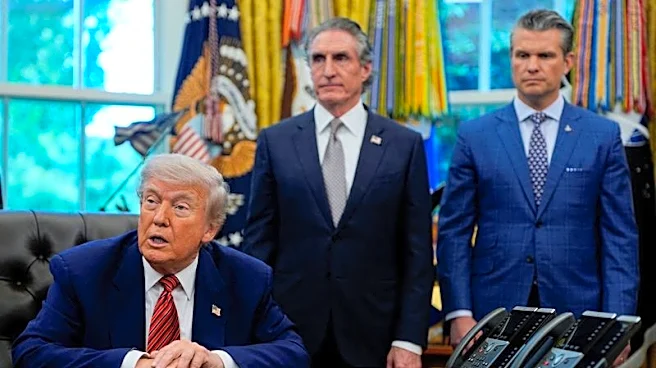
President Trump has proposed a new budget for 2027 that includes a plan to privatize the Transportation Security Administration's (TSA) airport security screening. This proposal suggests expanding the Screening Partnership Program, which currently allows
20 U.S. airports to use private companies for security under TSA supervision. The administration argues that privatization could save $52 million and improve customer service by reducing the impact of government shutdowns on airport operations. The proposal is part of a broader effort to reform federal agencies and reduce government spending.
Why It's Important?
The move to privatize TSA screening could have significant implications for airport security and federal employment. Proponents argue that privatization could lead to cost savings and more efficient operations, as private companies may be less affected by government shutdowns. However, critics, including the American Federation of Government Employees, warn that privatization could compromise security and prioritize profit over safety. The debate highlights broader tensions between government efficiency and public safety, with potential impacts on travelers and TSA employees.
What's Next?
If the proposal gains traction, airports may begin transitioning to private security firms, a process that could take up to a year. The TSA would oversee the selection of private companies, ensuring compliance with federal standards. However, larger airports may resist the change due to the complexity of transitioning and potential risks. The proposal will likely face scrutiny from Congress and stakeholders, including unions representing TSA employees, who are expected to oppose the move.