



What's Happening?
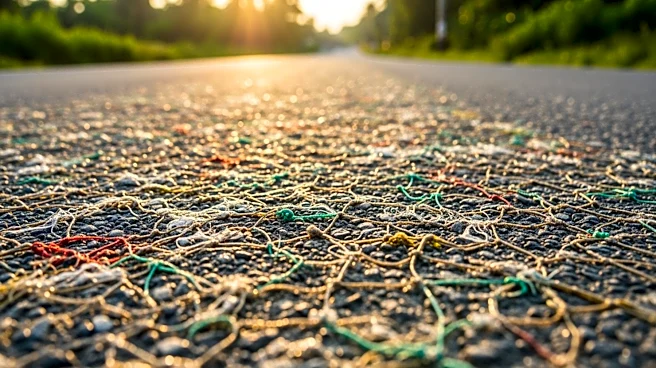
Researchers in Hawaii are experimenting with using discarded fishing nets and household plastic waste to create road surfacing materials. This initiative aims to address the state's challenges with marine debris and the pressure on landfill space. The
project is part of a broader effort to find sustainable solutions for waste management and environmental conservation. By repurposing plastic waste, Hawaii hopes to reduce its environmental footprint and promote innovative recycling practices.
Why It's Important?
The initiative represents a significant step towards sustainable infrastructure development and waste management. By utilizing plastic waste for road construction, Hawaii is addressing two major environmental issues: marine pollution and landfill overflow. This approach could serve as a model for other states and countries seeking to reduce plastic waste and promote sustainable practices. The success of this project could lead to broader adoption of similar technologies, potentially transforming waste management and infrastructure development globally.
What's Next?
If successful, the project could lead to wider implementation of plastic-based road surfacing across Hawaii and potentially other regions. Researchers will continue to monitor the durability and environmental impact of these roads, providing valuable data for future projects. The initiative may also inspire further innovations in recycling and waste management, encouraging other states to explore similar solutions. Collaboration with environmental organizations and government agencies could enhance the project's reach and effectiveness.