


What's Happening?
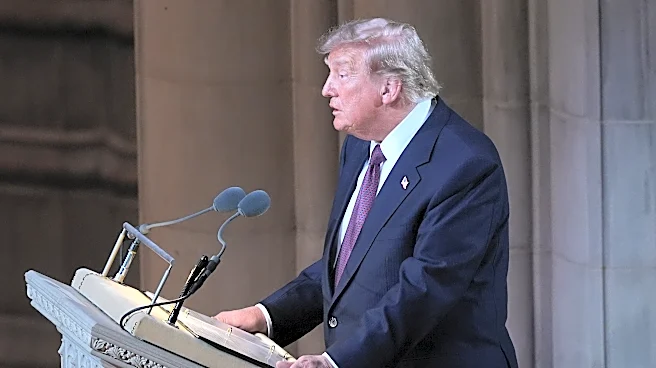
President Donald Trump has pardoned two Washington police officers, Terence Sutton and Andrew Zabavsky, who were convicted of covering up the murder of Karon Hylton-Brown. The officers were found guilty of obstructing justice after a police chase led
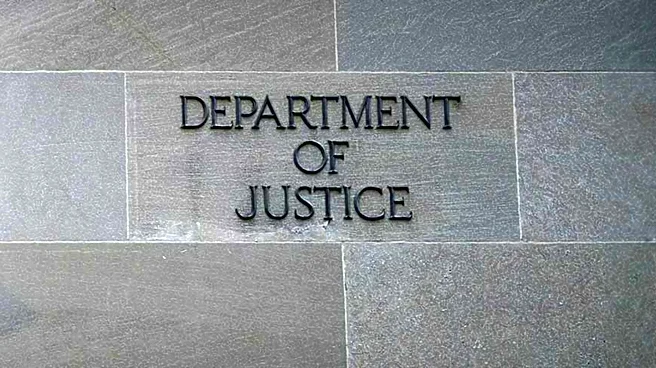
to Hylton-Brown's death. Despite the jury's conviction and the judge's sentencing, Trump issued pardons before the officers served any prison time. The pardons have sparked controversy, as they bypass traditional Justice Department guidelines and have been criticized by the Office of the DC Auditor. The officers are now suing the DOJ, alleging malicious prosecution.
Why It's Important?
The pardoning of the officers by President Trump highlights the contentious use of presidential clemency powers, raising questions about the justice system's integrity and accountability. This decision has drawn criticism from various quarters, including legal experts and civil rights advocates, who argue that it undermines the rule of law and sets a concerning precedent. The case also reflects broader tensions surrounding police accountability and the use of force, particularly in the context of heightened scrutiny following high-profile incidents of police violence.
Beyond the Headlines
The pardons issued by President Trump in this case may have long-term implications for the perception of justice and accountability in the United States. The decision to bypass traditional clemency guidelines could influence future presidential actions and the public's trust in the legal system. Additionally, the case underscores the ongoing debate over police reform and the need for transparent and fair legal processes. The officers' lawsuit against the DOJ further complicates the legal landscape, potentially impacting future prosecutions and the relationship between law enforcement and the communities they serve.