






What's Happening?
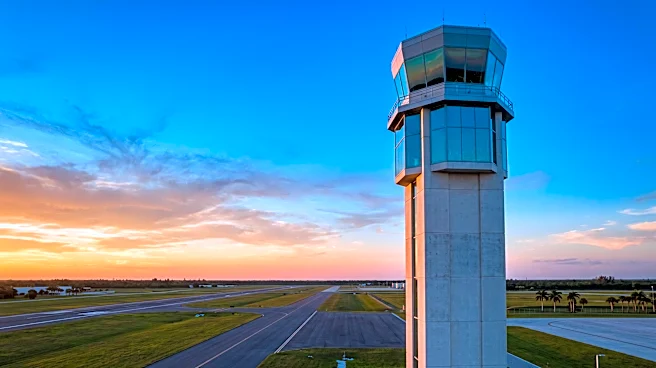
Southwest Florida International Airport (RSW) is currently demolishing its old air traffic control tower, which had been operational since the airport opened on May 14, 1983, until August 29, 2023. This demolition is a component of a significant expansion
project at the Fort Myers airport. A new, state-of-the-art air traffic control tower, built in 1982, became operational in 2022, offering improved visibility for existing and future runways. The old tower facilitated nearly 3 million air operations and served over 238 million passengers during its lifetime. The broader expansion initiative includes a comprehensive makeover of the main terminal, the addition of a new Concourse E designed to accommodate up to 19 gates, a new public safety building, and an array of new food, dining, and shopping options. The demolition work, which began this week, saw the top section of the old tower, where air traffic controllers once worked, already removed by September 3.
Why It's Important?
This demolition and the overarching expansion project at Southwest Florida International Airport are crucial for accommodating the projected growth in air travel demand in the region. The Federal Aviation Administration and the Lee County Port Authority's board anticipate a significant increase in passenger traffic through 2035, necessitating a 50% increase in gate capacity. The new Concourse E alone is expected to enable an additional 10,000 to 15,000 passengers to pass through the airport daily, which will substantially boost the airport's economic impact on Southwest Florida. Currently, the airport contributes over $8 billion annually to the local economy. The modernization and expansion efforts are vital for maintaining efficient air operations, enhancing passenger experience, and supporting the economic vitality of the region by facilitating increased tourism and business travel.
What's Next?
The demolition of the old air traffic control tower is expected to conclude soon, clearing the way for further progress on the airport's extensive expansion project. The second phase of the expansion will focus on increasing gate capacity to meet future demand. This includes the full development of Concourse E, which will eventually house 19 gates. Concurrently, the airport will continue with the main terminal makeover, the construction of the new public safety building, and the establishment of new retail and dining facilities. These developments are scheduled to be completed in phases, with the goal of accommodating the projected passenger growth through 2035. The ongoing transformation aims to solidify RSW's position as a key transportation hub in Southwest Florida, ready to handle increased air traffic and passenger volumes.
Beyond the Headlines
The replacement of the old air traffic control tower with a modern facility, alongside the broader airport expansion, signifies a strategic investment in critical infrastructure that extends beyond immediate operational needs. It reflects a forward-looking approach to urban and regional planning, acknowledging the long-term economic and social benefits of a robust transportation network. The project's emphasis on increasing capacity and enhancing passenger services suggests a commitment to improving the overall travel experience, which can positively influence tourism and business relocation to Southwest Florida. Furthermore, the integration of new facilities and technologies in the airport's design could set new standards for regional airports in terms of efficiency, safety, and environmental considerations, contributing to sustainable growth in the aviation sector.