








What's Happening?
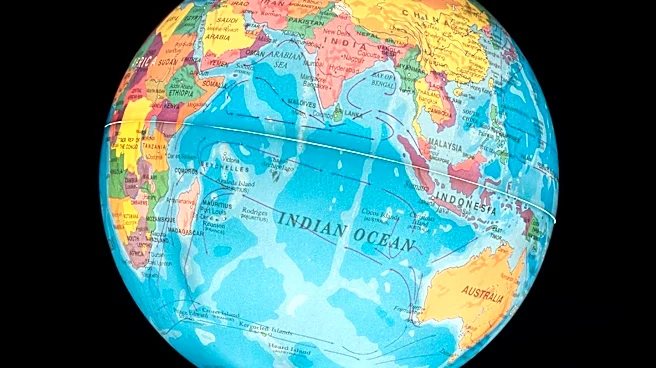
The Twelfth Conference of the Parties (COP12) to the Nairobi Convention has concluded in Dar es Salaam, Tanzania, marking 40 years since the Convention's establishment. The conference, themed 'Towards a Sustainable Blue Economy in the Western Indian Ocean
for People and Nature: A Journey of Forty Years,' brought together ten Contracting Parties, UN agencies, regional organizations, and various stakeholders. During COP12, 15 decisions were adopted to accelerate action for the protection, management, and sustainable development of the Western Indian Ocean region. Key outcomes include reinforcing the Nairobi Convention as the central platform for regional ocean governance, advancing the 2025-2035 Integrated Work Programme, and strengthening ecosystem monitoring and science-policy engagement. Parties also endorsed steps to operationalize the Regional Ocean Governance Strategy, enhance marine spatial planning, and promote digital tools for evidence-based decision-making. Mauritius was elected as the new Chair of the Bureau to the Nairobi Convention Secretariat.
Why It's Important?
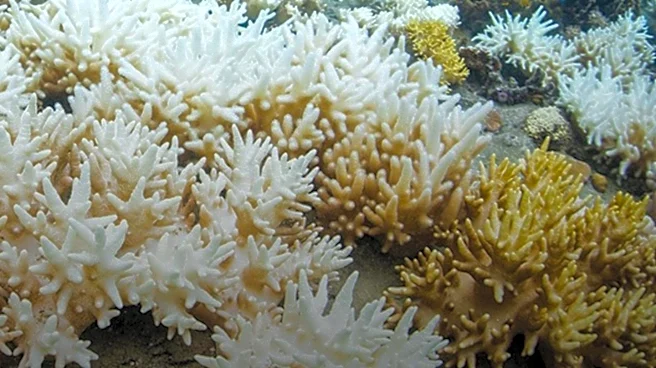
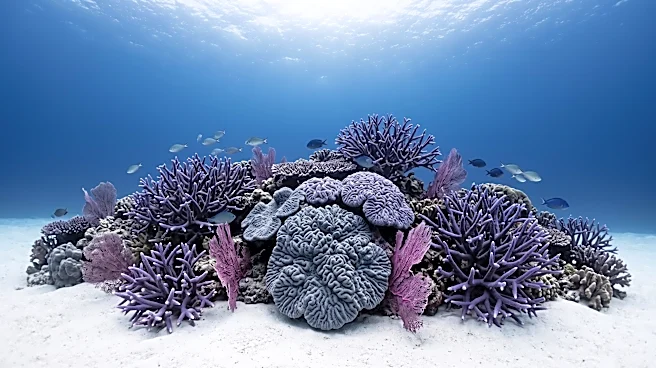
The outcomes of COP12 are significant for the sustainable management of marine and coastal environments in the Western Indian Ocean, a region vital for its biodiversity and the livelihoods of millions. The emphasis on a 'sustainable blue economy' highlights a growing global recognition that economic prosperity and environmental conservation are interconnected. By adopting measures to combat plastic pollution, implement the Kunming-Montreal Global Biodiversity Framework, and conserve critical habitats like mangroves and coral reefs, the Convention is addressing pressing environmental challenges. The call for wider ratification of the Biodiversity Beyond National Jurisdiction (BBNJ) Agreement and a coordinated regional approach to its implementation underscores the importance of international cooperation in managing marine resources beyond national borders. These decisions aim to build resilience for coastal communities, protect ecosystems, and ensure long-term sustainability in a region facing significant ecological and developmental pressures.
What's Next?
Following COP12, the immediate next steps involve the implementation of the 15 decisions adopted by the Contracting Parties. This includes advancing the 2025-2035 Integrated Work Programme and operationalizing the Regional Ocean Governance Strategy. The Nairobi Convention Secretariat will consult with Mauritius, the newly elected Chair of the Bureau, to determine the dates and venue for the Thirteenth Conference of the Parties (COP13). Continued efforts will focus on strengthening ecosystem monitoring, science-policy engagement, and information management systems across the Western Indian Ocean. Stakeholders, including governments, UN agencies, and civil society, will work to translate the commitments made at COP12 into tangible actions on the ground, particularly in areas such as plastic pollution reduction, biodiversity conservation, and the promotion of inclusive blue economy investments. The call for wider ratification of the BBNJ Agreement suggests ongoing diplomatic efforts to encourage more nations to join and implement this crucial international treaty.
Beyond the Headlines
The Nairobi Convention's 40th anniversary and the outcomes of COP12 reflect a broader global shift towards integrated ocean governance and the concept of a 'blue economy.' This approach seeks to balance economic development with environmental protection, recognizing the ocean as a critical resource for human well-being and economic growth. The emphasis on regional cooperation and the involvement of diverse stakeholders, from local communities to international organizations, highlights the complex and interconnected nature of ocean challenges. The Convention's work in the Western Indian Ocean serves as a model for other regions grappling with similar issues, demonstrating how collaborative action can lead to more effective conservation and sustainable development outcomes. The focus on empowering coastal communities and integrating local knowledge into policy-making also points to a growing understanding of the importance of inclusive governance in achieving long-term environmental sustainability.