






What's Happening?
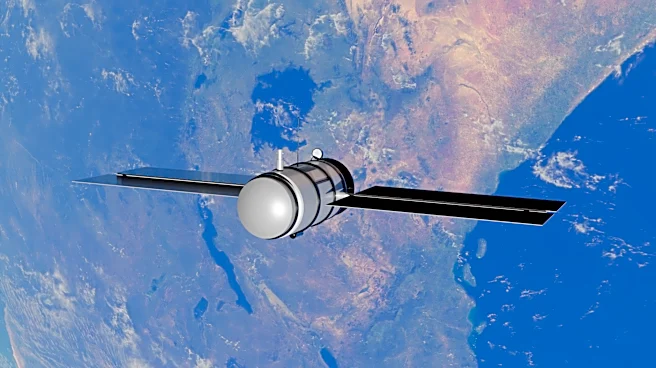
Researchers at the Massachusetts Institute of Technology have proposed a new method to detect nuclear weapons in space using a constellation of small '9U' cubesats. These satellites, equipped with special detectors, could identify nuclear weapons hidden
on satellites launched by adversary nations. The proposal comes amid concerns that Russia might be developing space-borne nuclear weapons, especially given the strategic importance of satellite constellations like SpaceX's Starlink. The detection method involves identifying unique radiation signatures created by the interaction of fissile material with cosmic radiation in the Van Allen belt. This approach could help confirm whether a suspicious satellite carries a nuclear weapon, potentially preventing catastrophic consequences in low Earth orbit.
Why It's Important?
The development of a reliable method to detect nuclear weapons in space is crucial for maintaining the safety and functionality of satellite networks that are vital for global communications, navigation, and surveillance. A nuclear detonation in space could render low Earth orbit uninhabitable, destroying satellites and disrupting services that rely on them. This would have significant implications for military operations, global communications, and economic activities. The proposed detection system could serve as a deterrent against the deployment of nuclear weapons in space, ensuring compliance with international treaties like the United Nations Outer Space Treaty, which prohibits the use of nuclear weapons in orbit.
What's Next?
If the proposed detection method is developed and deployed, it could lead to increased international cooperation in monitoring and preventing the militarization of space. The deployment of these detector satellites would require alignment with the orbits of suspicious satellites and could involve collaboration with international space agencies. Additionally, the development of technology to safely defuse nuclear weapons in space remains a critical challenge. The success of this initiative could pave the way for further advancements in space security and the peaceful use of outer space.