






What's Happening?
The American Humane Society has announced updated American Humane Certified™ Free Range Standards for laying hens, effective January 1, 2027, with full implementation by January 1, 2028. These new standards shift the focus from merely providing outdoor
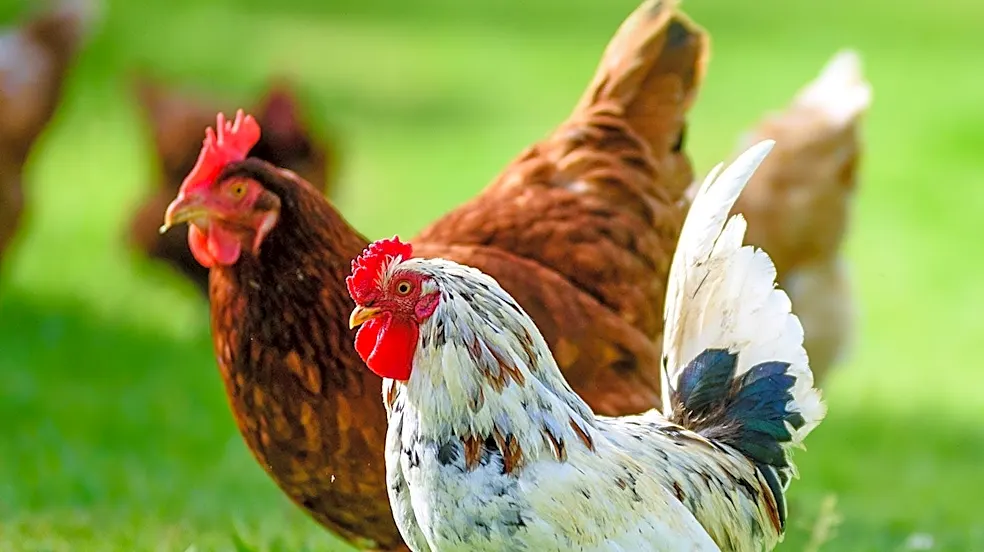
access to ensuring that hens actively use and benefit from outdoor environments. Farms seeking certification will now be required to maintain records demonstrating that hens go outside at least 275 days a year. Independent auditors will verify that birds are distributed across the range, indicating effective use of the space. The updated guidelines also mandate specific outdoor environment designs, including grass and plant cover on at least a quarter of the outdoor area, and the placement of shade and exploratory items away from barns to encourage hens to venture further outside. Additionally, farms must document daily flock checks and corrective actions for any health issues, with auditors specifically examining feather health as an indicator of overall well-being.
Why It's Important?
These updated standards are significant for both consumers and the egg industry. For shoppers, the American Humane Certified mark on egg cartons will now provide stronger assurance that 'free range' claims reflect actual hen behavior and living conditions, addressing common misconceptions about egg labeling. This increased transparency aims to build greater trust in animal welfare claims. For retailers and supply chain partners, the new standards respond to growing consumer demand for verified animal welfare and increasing regulatory scrutiny from bodies like the FTC regarding labeling claims. Adopting these more rigorous standards can help suppliers meet market expectations and mitigate risks associated with misleading welfare claims. The American Humane Certified program, being the largest independent farm animal welfare certification in the U.S., influences a substantial portion of the market, potentially setting a higher bar for animal welfare practices across the industry.
What's Next?
Certified farms will have a phase-in period, with full compliance required by January 1, 2028. Consumers can expect to see the updated American Humane Certified mark on egg cartons, signifying adherence to these new, more stringent outdoor access and usage requirements. Retailers and supply chain partners will need to evaluate their current suppliers against these updated standards or seek out new suppliers that can meet the enhanced certification criteria. The American Humane Society will continue to provide resources and guidance for farms seeking to achieve or maintain certification under the new guidelines. The increased emphasis on verifiable outdoor usage may prompt other certification bodies or egg producers to review and potentially strengthen their own 'free range' definitions and auditing processes to remain competitive and responsive to consumer expectations.
Beyond the Headlines
The updated standards reflect a broader societal shift towards greater transparency and accountability in food production, particularly concerning animal welfare. This move goes beyond basic access, delving into the quality and utilization of outdoor spaces, which addresses the nuanced understanding of animal behavior and welfare. It highlights the evolving consumer expectation that 'free range' implies not just the option, but the actual practice of hens spending time outdoors in a stimulating environment. This could lead to long-term changes in farm infrastructure and management practices, encouraging more natural behaviors in poultry. Furthermore, the emphasis on independent auditing and verifiable metrics sets a precedent for other agricultural sectors to adopt more robust welfare standards, potentially influencing future regulatory frameworks and consumer advocacy efforts for animal well-being in the food system.