





What's Happening?
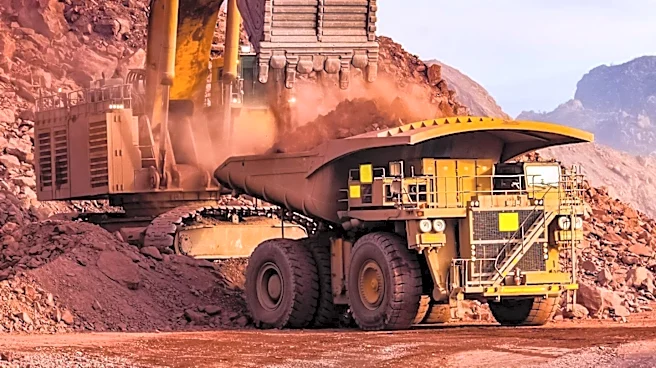
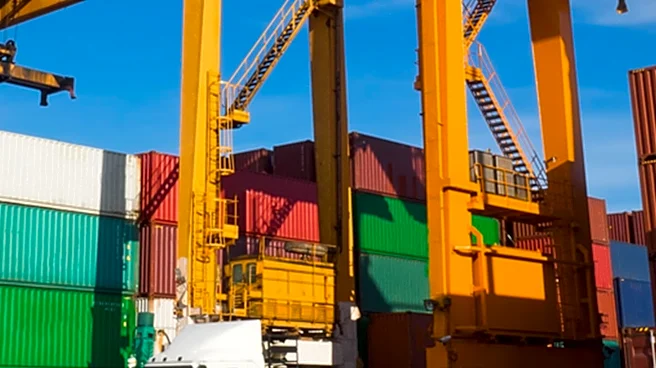
Zimbabwe has approved $1.59 billion in new investment projects during the second quarter of 2026, with a significant focus on mining and manufacturing sectors. The Zimbabwe Investment and Development Agency (ZIDA) reported that mining attracted $768.5
million, while manufacturing secured $496.7 million, together accounting for nearly 80% of the total investment. This strategic move aims to capitalize on Zimbabwe's rich mineral resources, including gold, platinum, and lithium, and to enhance local processing capabilities. The government is pushing for more domestic processing of minerals to create jobs and retain more export value. The International Monetary Fund noted that Zimbabwe's economy grew by 8.3% in 2025, with a projected 5% growth in 2026, supported by agriculture, mining, and favorable gold prices.
Why It's Important?
The approval of these investments is crucial for Zimbabwe's economic development, as it seeks to leverage its mineral wealth to drive industrial growth. By focusing on local processing, Zimbabwe aims to increase job creation and retain more economic value within the country. This strategy could reduce reliance on raw mineral exports and enhance the country's industrial base. The investments also come at a time when Zimbabwe's economy is showing signs of recovery, with stable inflation and exchange rates. However, the challenge remains in ensuring that these approved investments translate into actual economic activity and benefits for the local population.
What's Next?
ZIDA plans to focus on higher-quality investments and ensure that approved projects are implemented effectively. The agency is emphasizing investor aftercare, special economic zones, and public-private partnerships to facilitate the transition from investment approvals to tangible economic outcomes. The success of these initiatives will depend on the government's ability to attract and retain foreign capital, as well as its capacity to manage and execute large-scale industrial projects. The outcome of these efforts will significantly impact Zimbabwe's economic trajectory and its ability to sustain growth in the coming years.