







What's Happening?
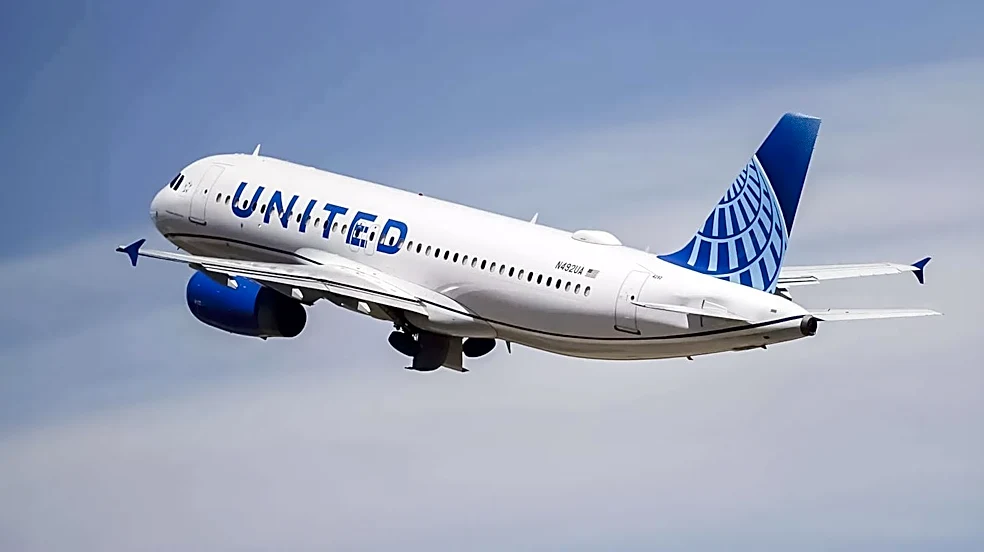
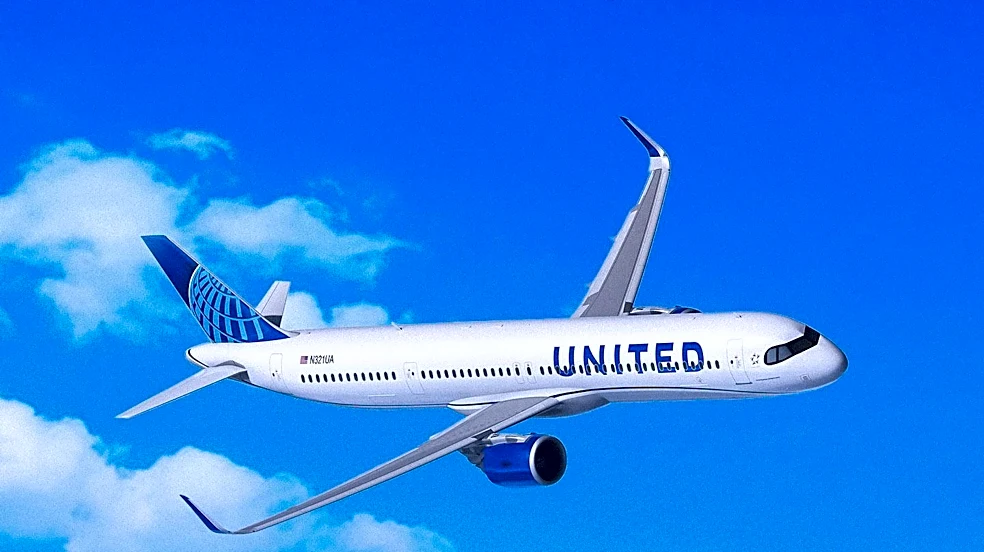
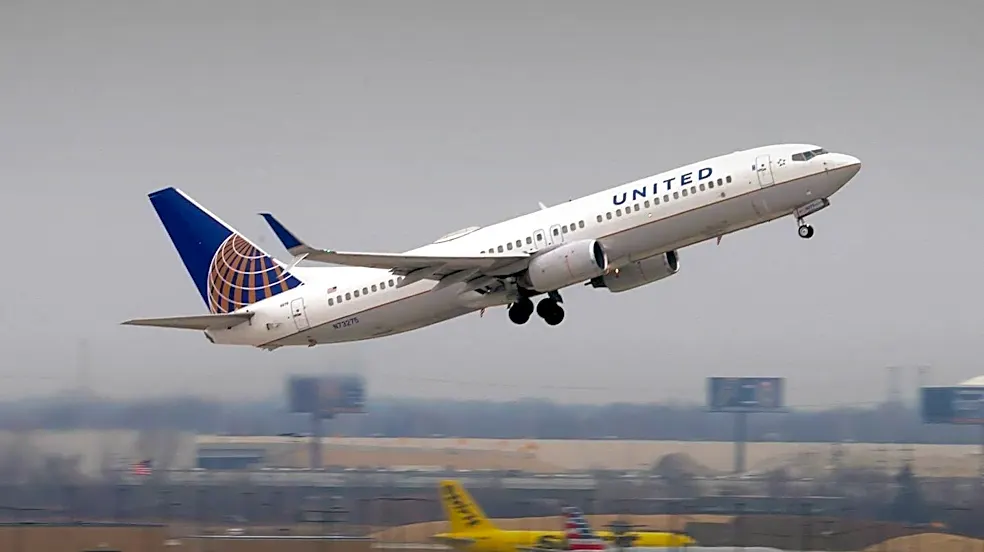
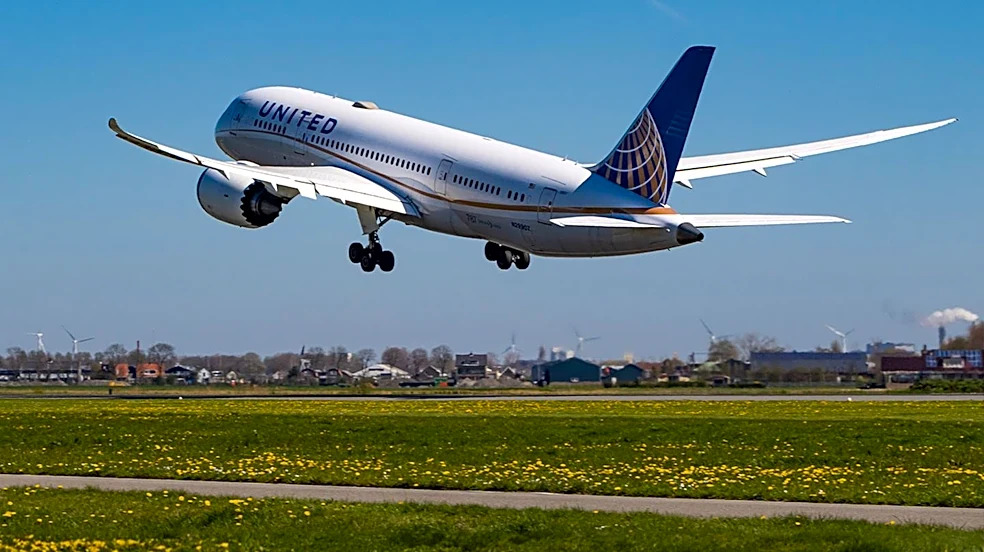
A United Airlines flight bound for Los Angeles International Airport (LAX) encountered severe turbulence, resulting in injuries to at least two flight attendants. United Airlines Flight 1157, which departed from Hawaii, landed safely at LAX on Wednesday
night. Passengers described the turbulence as sudden and intense. One passenger, Marly Wadlington, recounted the experience, stating, "I was watching a movie and all of a sudden we just drop. And it felt like we dropped pretty far. It started shaking, everyone was yelling. We were all super scared." Another passenger, Coral Pena, mentioned hearing a loud bang during the incident. The injured flight attendants sustained neck and back injuries. After the aircraft landed, it remained on the tarmac for approximately 30 minutes while the injured crew members stayed onboard, awaiting the plane to reach a gate.
Why It's Important?
This incident highlights the inherent risks associated with air travel, particularly the unpredictable nature of severe turbulence, and its potential impact on passenger and crew safety. While modern aircraft are designed to withstand significant turbulence, sudden and extreme events can still cause injuries, especially to those who are not seated and belted. Flight attendants, who are often moving around the cabin to perform their duties, are particularly vulnerable. The injuries sustained by the crew members underscore the importance of adhering to safety protocols, such as remaining seated with seatbelts fastened when advised. For United Airlines, such incidents can lead to operational disruptions, potential medical costs, and a review of safety procedures. More broadly, it serves as a reminder to the aviation industry and the flying public about the continuous need for vigilance and adherence to safety guidelines during all phases of flight.
What's Next?
Following the incident, it is standard procedure for United Airlines and aviation authorities to investigate the event to understand the specific conditions that led to the severe turbulence and to assess any potential contributing factors. The injured flight attendants will receive medical attention, and their recovery will be monitored. The airline may review its internal protocols for managing turbulence, including communication procedures between the flight deck and cabin crew, and passenger advisories. While turbulence is a common occurrence, severe incidents often prompt a re-evaluation of training and operational responses. Passengers on the flight may also be debriefed as part of the investigation. This event serves as a reminder for all airlines to continuously emphasize the importance of crew and passenger safety during turbulent conditions.
Beyond the Headlines
Beyond the immediate injuries, this event brings to light the psychological impact of severe turbulence on both passengers and crew. Experiences like these can cause anxiety and fear, potentially affecting future travel decisions for some individuals. For flight attendants, who are on the front lines of such events, repeated exposure to turbulence can contribute to stress and occupational hazards. The incident also subtly underscores the advancements in aviation technology that allow aircraft to safely navigate and land even after encountering severe atmospheric disturbances. While the immediate focus is on the injured, the broader implication is a reinforcement of the need for continuous meteorological forecasting improvements and real-time communication systems to help pilots avoid or mitigate the effects of turbulence. This incident, though localized, contributes to the ongoing dialogue about enhancing safety measures and passenger comfort in the face of natural atmospheric phenomena.