


What's Happening?
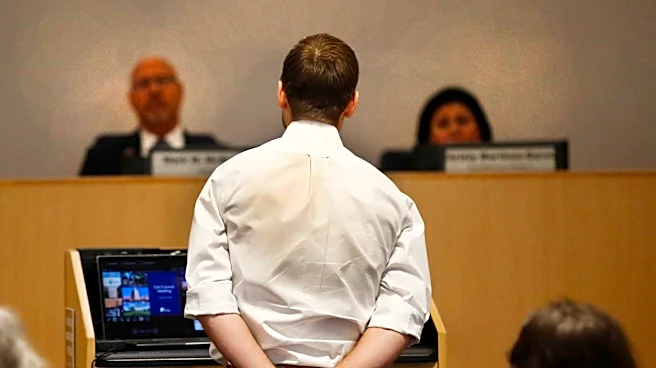
The Minneapolis Park and Recreation Board recently discussed a proposed 5.86% property tax increase, which contrasts with Mayor Jacob Frey's suggested 2.5% increase. While the board's proposed increase is higher than the Mayor's, it remains below the average
10-year increase of 6.1% and is intended to secure long-term funding amidst rising expenses. Additionally, the board is actively working to find a new waterfront dog park for Minneapolis, following the decommissioning of the Minnehaha Dog Park, which has left District 5 without any dog parks. Discussions included potential runoff issues, such as flea medication danger to wildlife, and various solutions are being considered, though no definitive plan has been chosen yet.
Why It's Important?
The debate over the property tax increase directly impacts Minneapolis residents and the city's financial stability. A higher tax increase could provide more robust funding for essential park services and infrastructure, addressing rising operational costs and allowing for new initiatives. However, it also places a greater financial burden on property owners. The search for a new waterfront dog park is significant for community well-being and recreational opportunities. Dog parks are vital public spaces that promote pet health, social interaction among residents, and responsible pet ownership. The decommissioning of the Minnehaha Dog Park has created a void, and finding a suitable replacement quickly is crucial for maintaining these community benefits, while also addressing environmental concerns like runoff mitigation to protect local ecosystems.
What's Next?
The Minneapolis Park and Recreation Board will continue to deliberate on the proposed property tax increase, likely engaging in further discussions with Mayor Jacob Frey's office and seeking public input. Six community engagement sessions are scheduled for September and October to discuss the MPRB budget, indicating that a final decision on the tax rate is still pending. Concurrently, the board will proceed with its efforts to identify and establish a new waterfront dog park. This process will involve evaluating potential locations, conducting environmental impact assessments, and considering various design and mitigation strategies to address concerns like runoff. The next Park Board meeting is scheduled for September 16th, where further updates on these matters may be provided.
Beyond the Headlines
The discussions surrounding property taxes and public park amenities reflect broader challenges faced by urban centers in balancing fiscal responsibility with community needs and environmental stewardship. The tension between the Mayor's proposed tax increase and the Park Board's higher request highlights differing priorities and financial strategies within city governance. Furthermore, the search for a new dog park, while seemingly a local issue, underscores the increasing demand for green spaces and recreational facilities in urban environments, and the complexities involved in developing such spaces sustainably. Considerations like runoff from pet medications illustrate the intricate link between urban development, public health, and ecological preservation, requiring a holistic approach to urban planning that integrates environmental science with community planning.