



What's Happening?
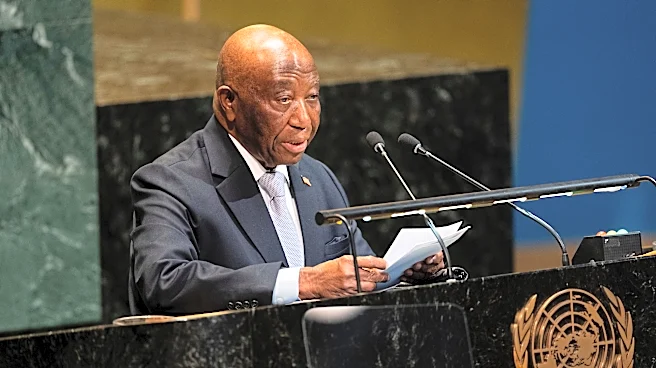
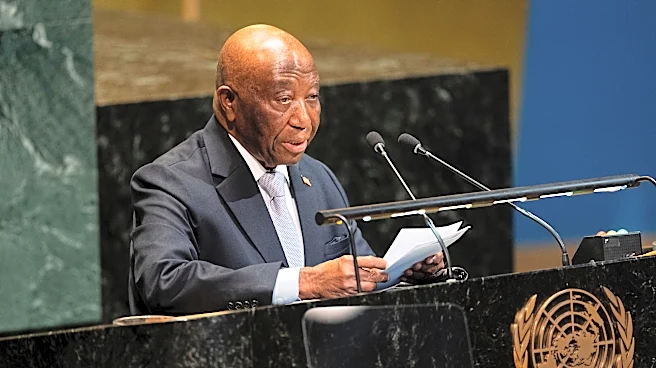
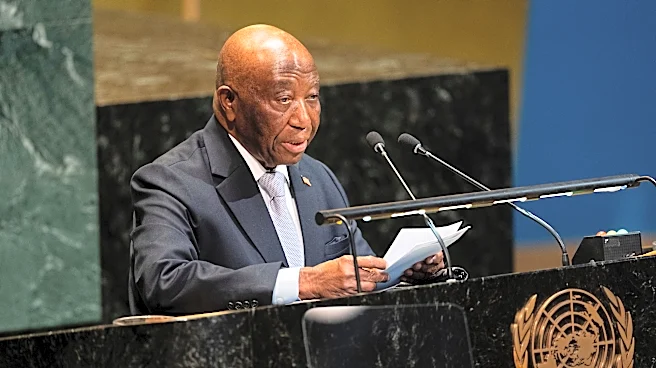
Liberia has received its first deportation flight from the United States, marking the beginning of an agreement where the West African nation will accept up to 1,200 foreign nationals over the next year. The initial flight, which departed from Louisiana
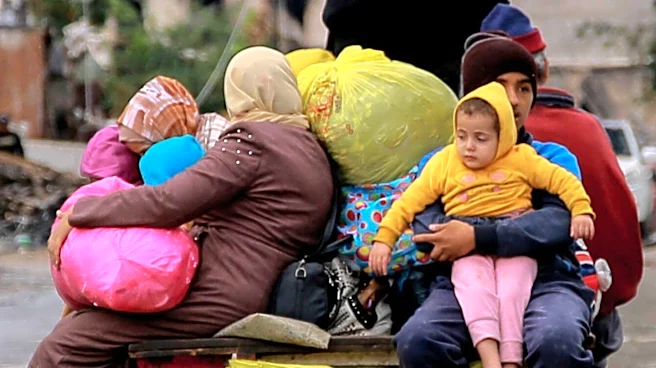
and stopped in Senegal, landed in Monrovia carrying deportees primarily from Latin American countries, including Venezuela, Cuba, and Colombia. Liberian Information Minister Jerolinmek Piah confirmed that many of these individuals were sent to Liberia to seek protection from being returned to their home countries, where they might face torture or abuse, as determined by judges. Liberian officials emphasized the country's historical role as a sanctuary for displaced people and stated that the migrants are not considered criminals. They will be free to depart Liberia or apply for formal asylum and will receive services from the International Organization for Migration and the U.N. refugee agency. The Liberian government has also committed not to repatriate anyone until legal proceedings regarding their protection claims are complete.
Why It's Important?
This agreement between the U.S. and Liberia is significant as it establishes one of the largest deportation deals on the African continent, with Liberia agreeing to accept up to 1,200 deportees. The U.S. has awarded Liberia $5 million for 'migration management activities' to support this program and strengthen its broader migration system. This initiative reflects a broader U.S. strategy to manage migration flows and potentially reduce the number of individuals seeking asylum or residency within its borders by redirecting them to third countries. For the deportees, the arrangement offers a potential alternative to returning to their countries of origin, where they might face persecution, aligning with Liberia's stated commitment to providing sanctuary. However, it also raises questions about the long-term integration and welfare of these individuals in a new country, despite the support from international organizations. The deal could set a precedent for similar agreements with other nations, influencing future U.S. immigration policies and international migration patterns.
What's Next?
Following the arrival of the first flight, Liberia is expected to continue receiving additional deportation flights from the U.S. as part of the agreement to accept up to 1,200 foreign nationals over the next year. The focus will be on the integration and support services provided to these deportees by the International Organization for Migration and the U.N. refugee agency. Liberian officials will need to manage the process of allowing these individuals to either depart the country or apply for formal asylum, ensuring that legal proceedings for protection claims are completed before any repatriation. The U.S. will likely monitor the effectiveness of this agreement and its impact on migration management, potentially using it as a model for future deals with other African nations. The U.S. has already reached similar agreements with countries like the Democratic Republic of Congo, Central African Republic, Equatorial Guinea, Cameroon, Ghana, and Sierra Leone, suggesting a broader trend in U.S. immigration policy.
Beyond the Headlines
The agreement between the U.S. and Liberia to accept deportees highlights the complex and evolving landscape of international migration and asylum policies. While presented as a humanitarian measure by Liberia, offering sanctuary to those fleeing persecution, it also serves U.S. interests in managing its own immigration challenges. The financial support provided by the U.S. to Liberia for 'migration management activities' underscores the economic dimensions of such agreements, where aid can be leveraged to facilitate migration solutions. This arrangement could spark debates about the ethical implications of outsourcing asylum processing and the potential for such deals to shift the burden of migrant care to less resourced nations. It also raises questions about the long-term stability and integration prospects for individuals who are effectively relocated to a third country, often with limited ties or prior knowledge of the region. The success or challenges encountered in Liberia could influence the viability and public perception of similar agreements globally.