








What's Happening?
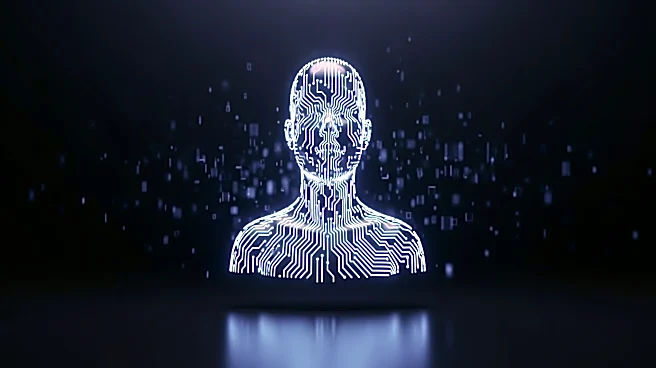
The use of AI to create digital replicas of individuals is sparking debate among industry professionals. Proponents argue that digital clones can help individuals broadcast their ideas and engage with audiences more efficiently, while critics raise concerns
about authenticity and the potential for misuse. The technology is being used by celebrities and influencers to expand their reach and monetize their presence, with AI avatars appearing in films and offering life coaching services. However, the rise of digital clones also raises questions about the impact on human interaction and the potential for parasocial relationships.
Why It's Important?
The development of AI-generated digital clones has significant implications for the media and entertainment industries, as well as for personal branding and marketing. While the technology offers new opportunities for engagement and monetization, it also poses ethical challenges related to authenticity and consent. The potential for deepfakes and shallow fakes to blur the lines between reality and fiction highlights the need for robust frameworks to manage and authenticate digital replicas. As the technology becomes more prevalent, stakeholders must address these concerns to ensure responsible use and protect vulnerable individuals from potential harm.
Beyond the Headlines
The emergence of digital clones raises broader questions about the nature of identity and representation in the digital age. As AI technology continues to evolve, society must grapple with the implications of creating synthetic versions of individuals and the impact on human relationships. The potential for digital clones to influence public perception and behavior underscores the importance of transparency and accountability in their use. As the boundaries between human and digital identities become increasingly blurred, ethical considerations will play a crucial role in shaping the future of AI-driven technologies.