







What's Happening?
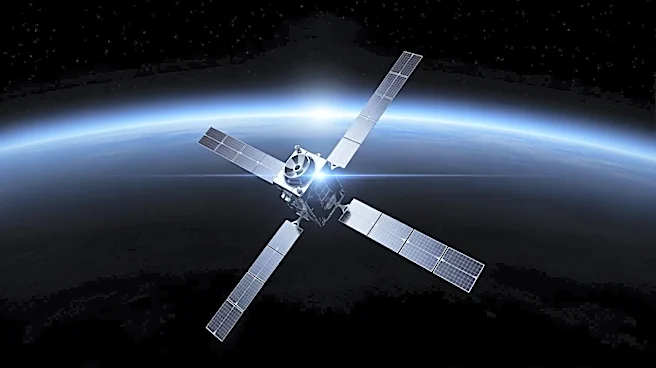
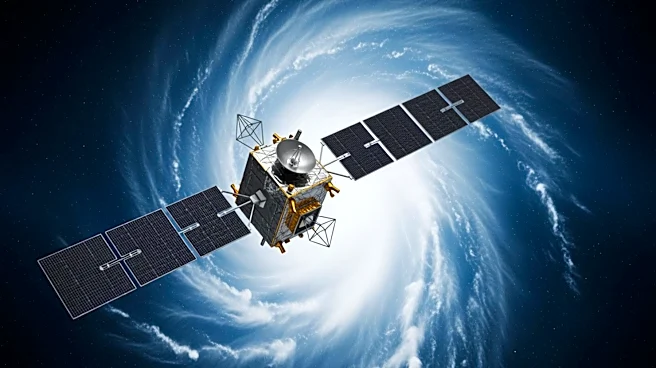
NASA's INCUS (Investigation of Convective Updrafts) mission is progressing towards its launch, with one of its three satellites completing testing at Blue Canyon Technologies in Lafayette, Colorado. The mission, set to launch in 2027 from NASA's Wallops
Flight Facility in Virginia, will conduct the first space-based survey of tropical convective storms. The satellites will fly in close coordination in low Earth orbit, equipped with radar to observe the vertical motion of air and water in developing storms. The mission is part of NASA's Earth System Observatory, aiming to study Earth's dynamic natural systems.
Why It's Important?
The INCUS mission represents a significant advancement in understanding tropical storm dynamics, which are critical for weather prediction and climate modeling. By providing detailed observations of convective mass flux, the mission will enhance scientific knowledge of storm formation and evolution. This data is vital for improving weather forecasts and understanding the impacts of climate change on storm patterns. The mission's findings could inform public policy and disaster preparedness strategies, potentially reducing the economic and human costs associated with severe weather events.
What's Next?
As the INCUS mission prepares for its 2027 launch, further testing and integration of the satellite components will continue. The mission will collaborate with NASA centers, universities, and commercial partners to ensure successful deployment and operation. Once operational, the satellites will provide valuable data to researchers and policymakers, contributing to a better understanding of Earth's atmospheric processes and their implications for climate and weather.