
What's Happening?
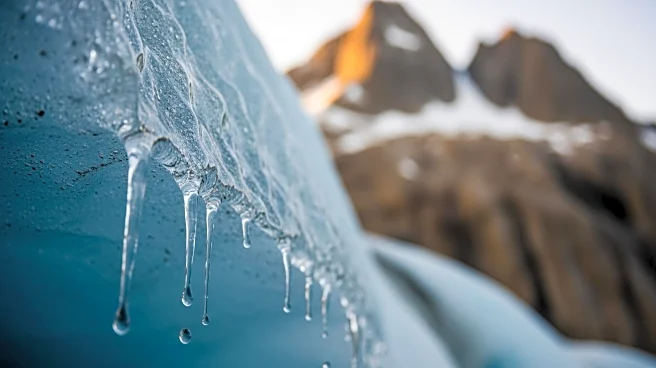
A study led by ETH Zurich and published in Nature Climate Change reveals that the Alps are expected to experience a significant reduction in glacier numbers over the next decade. If global temperatures
rise by 2.7°C, only about 110 glaciers will remain in Central Europe by 2100, representing just 3% of the current total. The study highlights that regions with many small glaciers, such as the Alps, are particularly vulnerable to climate change. The research shifts focus from ice mass loss to the number of disappearing glaciers, providing a new perspective on the impact of global warming.
Why It's Important?
The anticipated loss of glaciers in the Alps has far-reaching implications for water resources, tourism, and local economies. Glaciers play a critical role in providing fresh water for agriculture and human consumption. Their disappearance could lead to water scarcity and affect industries that rely on glacier-fed water. The tourism sector, which benefits from the scenic beauty of glaciers, may also suffer economic losses. The study emphasizes the need for urgent climate action to prevent further glacier loss and mitigate its impacts on society and the environment.
What's Next?
The study calls for immediate and ambitious climate policies to curb global warming and preserve remaining glaciers. Policymakers are urged to implement measures that reduce carbon emissions and promote sustainable practices. The research also suggests that communities and industries must adapt to a future with fewer glaciers, which includes developing new water management strategies and supporting economic diversification in affected regions.
Beyond the Headlines
The cultural impact of glacier loss is significant, as many communities have historical and emotional ties to these natural features. Efforts to preserve the memory of lost glaciers are underway, highlighting the importance of cultural heritage in the face of environmental change. The study's findings may also influence future climate negotiations and policy decisions, as they provide a clearer understanding of the timeline and extent of glacier loss.