





What's Happening?
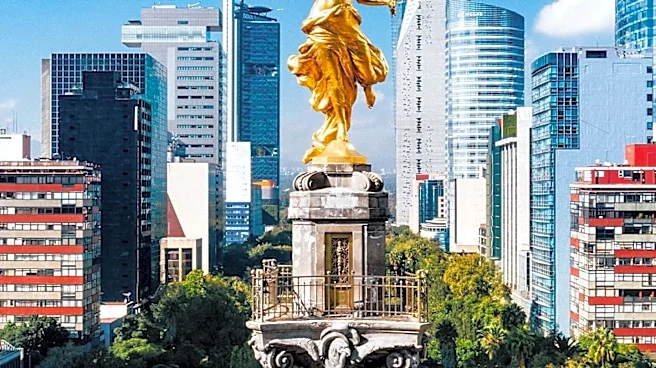
Mexico's tourism industry has achieved a two-decade high in foreign arrivals, with 67.7 million visitors in the first eight months of the year, according to Tourism Minister Josefina Rodríguez Zamora. A significant shift in tourist motivation has been
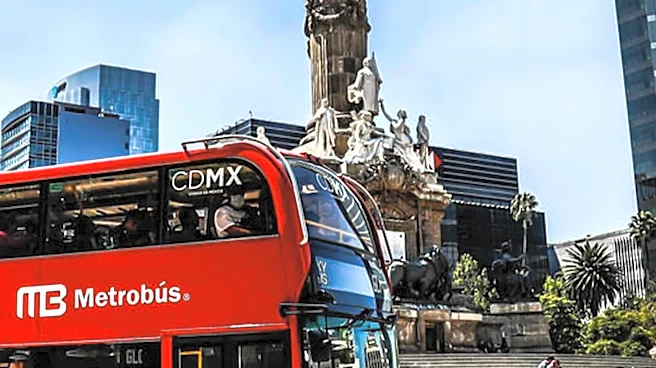
observed, as 36.3% of visitors cited cultural tourism as their primary reason for visiting, more than double the 15-16% who came for beach tourism. Sports tourism is also experiencing a boom, boosted by events like the upcoming 2026 FIFA World Cup, the Mexican Formula 1 Grand Prix, and various international marathons, cycling events, and golf tournaments. Mexico is currently the sixth most-visited country globally and the top destination in the Americas, with aspirations to reach the fifth spot by 2030 under its national development strategy, Plan México. Mexico City has surpassed major international cities like London and Singapore in entertainment tourism due to its world-class concerts. The government plans to invest $42 billion in the tourism sector by 2030, focusing on hotel and airport infrastructure, training for regional operators, and enhancing tourist experiences across all states, with an emphasis on supporting historically marginalized regional service providers.
Why It's Important?
This surge in cultural and sports tourism signifies a diversification of Mexico's appeal beyond its traditional beach destinations, potentially leading to more sustainable and geographically distributed economic benefits. The substantial $42 billion investment plan underscores a strategic national commitment to further developing the tourism infrastructure, which could create numerous jobs and stimulate local economies across various states. By prioritizing regional service providers, the government aims to ensure that the economic gains from tourism are more equitably distributed, addressing historical disparities. The growth in sports tourism, particularly with major international events, positions Mexico as a significant player in the global sports event market, attracting a different demographic of visitors and further boosting its international profile. This shift could also influence future investment patterns in the hospitality and entertainment sectors, encouraging the development of cultural and sports-related facilities and services.
What's Next?
The Mexican government will proceed with its Plan México national development strategy, aiming to elevate the country to the fifth most popular tourist destination globally by 2030. The announced $42 billion investment will be channeled into developing hotel and airport infrastructure, alongside training programs for regional tourism operators. This investment is expected to enhance tourist experiences across all states, with a particular focus on integrating and supporting regional service providers. The continued hosting of major international events, such as the 2026 FIFA World Cup and various other sports competitions, will likely sustain the growth in sports tourism. Monitoring the implementation of these investments and the effectiveness of strategies to enhance cultural and sports tourism will be crucial in assessing Mexico's progress towards its ambitious tourism goals.
Beyond the Headlines
The shift in tourist preferences towards cultural experiences highlights a broader trend in global travel, where authenticity and immersive cultural engagement are becoming increasingly valued. This could lead to a re-evaluation of tourism development models, moving away from mass tourism focused solely on resorts towards more nuanced approaches that preserve and promote local heritage and traditions. The emphasis on supporting regional service providers also suggests a move towards more inclusive economic development, potentially empowering local communities and fostering a more sustainable tourism ecosystem. However, managing the impact of increased tourism on local cultures and environments will be a critical challenge, requiring careful planning and regulation to prevent over-tourism and ensure that cultural assets are preserved for future generations. The success of this strategy could serve as a model for other nations seeking to diversify their tourism offerings and distribute economic benefits more broadly.