





What's Happening?
The Lowell City Council recently discussed two significant issues: the regulation of data centers and the use of surveillance cameras. The Division of Planning and Development (DPD) presented an update on a comprehensive review of the city's zoning code,
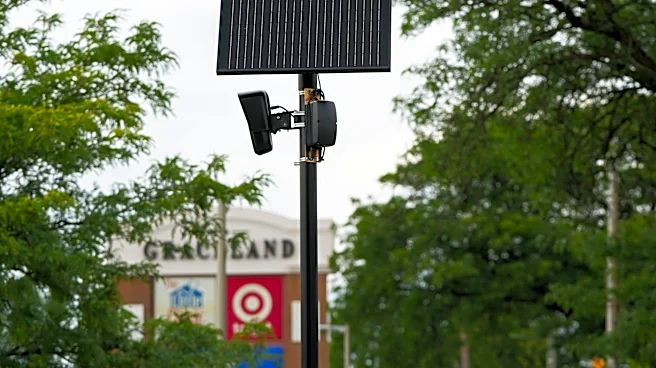
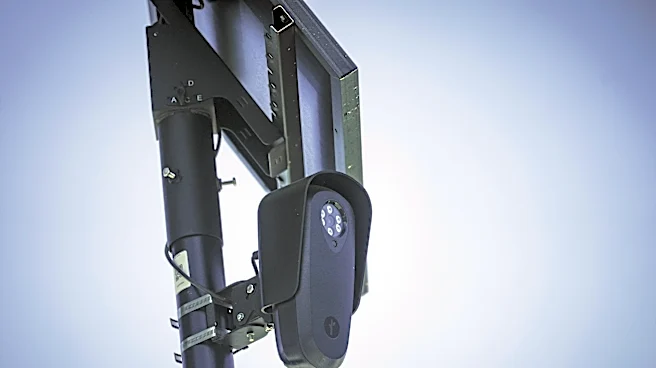
initiated 13 months ago with the assistance of a consultant. This review was partly spurred by rising neighborhood animosity towards the Markley data center, leading to council interest in zoning changes to regulate data center expansion. Community outreach events and an online comment form are planned for the fall to gather public input, with two regulatory options expected to be presented to the council by October and final action by January 2027. Additionally, a resident petitioned the council to address the use of 'AI police state camera systems,' specifically Flock Safety cameras. The petitioner raised concerns about the cameras' ability to recognize license plates, faces, and track movements, aggregating data that could be stored and potentially sold. Lowell Police Chief Greg Hudon stated the department uses 25 Flock cameras and has procedures to limit access for legitimate law enforcement purposes, emphasizing their effectiveness in crime fighting. However, Councilor Juran expressed concerns about data aggregation by Flock and potential sharing, leading to a referral of the matter to an executive session of the entire council for further discussion.
Why It's Important?
The discussions in Lowell reflect broader national debates concerning privacy, technology, and local governance. The push to regulate data centers highlights growing community concerns about their environmental impact, energy consumption, and potential strain on local resources, as well as the perceived lack of transparency in their operations. This issue is significant as data centers are critical infrastructure for the digital economy, but their rapid proliferation has led to calls for stricter oversight. Similarly, the debate over Flock Safety cameras in Lowell mirrors a nationwide controversy regarding the balance between public safety and individual privacy. The use of advanced surveillance technology, particularly those with AI capabilities for facial and license plate recognition, raises fundamental questions about civil liberties, data security, and the potential for misuse by law enforcement or private entities. The council's decision to hold an executive session on the surveillance cameras underscores the sensitive nature and complex legal implications of these technologies.
What's Next?
For data centers, the DPD will continue its comprehensive zoning review, incorporating community feedback from upcoming outreach events. The city council is expected to receive two regulatory options by October, with a final decision anticipated by January 2027. This process will determine how Lowell manages future data center development and addresses existing community concerns. Regarding surveillance cameras, the Lowell City Council will hold an executive session to discuss the Flock Safety system. This closed-door meeting will likely delve into the specifics of the contract, data access protocols, and potential strategies for addressing privacy concerns while maintaining public safety. The outcome of this discussion could lead to policy changes regarding the use of such technologies in Lowell, potentially influencing other municipalities grappling with similar issues. Public and stakeholder reactions to these decisions will be closely watched, as they could set precedents for how local governments navigate the complexities of modern technology and urban development.
Beyond the Headlines
The issues discussed by the Lowell City Council—data center regulation and surveillance technology—are indicative of a larger societal reckoning with the implications of rapid technological advancement. The opposition to data centers, beyond local nuisances like noise, taps into a deeper unease about the power of tech giants and the environmental footprint of the digital age. The concerns about AI-powered surveillance cameras extend beyond individual privacy to questions of algorithmic bias, the potential for a 'surveillance state,' and the aggregation of personal data by private companies. The fact that a police officer was accused of misusing the Flock system for personal reasons, as reported by Wired, highlights the ethical challenges and the need for robust oversight mechanisms. These local debates in Lowell are microcosms of national and even global conversations about how to balance innovation with public good, individual rights, and democratic accountability in an increasingly data-driven world. The decisions made at the local level could contribute to a bottom-up movement for greater control over technology's impact on communities.