



What's Happening?
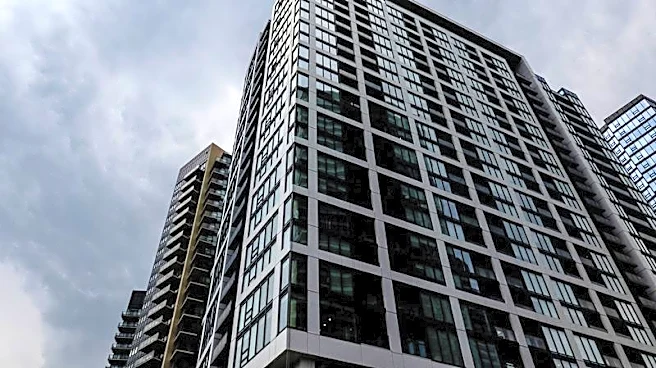
Calgary has emerged as a leader in converting empty office buildings into residential spaces, driven by a cash incentive program that has resulted in 21 projects and nearly 2,700 new housing units. This initiative is part of a broader trend across Canada,
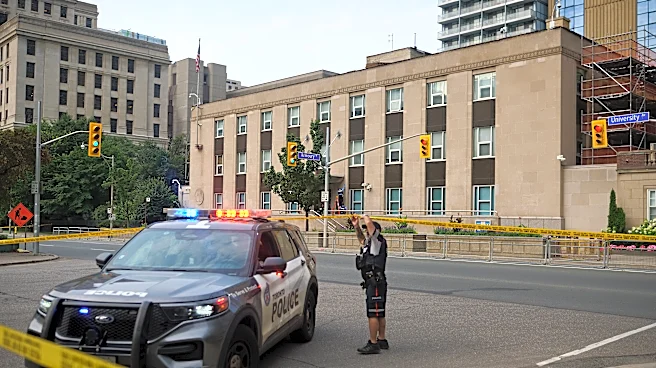
where cities are exploring office-to-residential conversions to address housing shortages and repurpose vacant office spaces. While Calgary offers financial incentives to developers, other cities like Toronto are more cautious, citing potential economic impacts and rising office occupancy rates. The conversions are seen as a way to reduce carbon emissions by repurposing existing structures rather than constructing new ones.
Why It's Important?
The trend of converting office spaces into residential units is significant as it addresses multiple urban challenges, including housing shortages and environmental concerns. By repurposing existing buildings, cities can reduce carbon emissions associated with new construction. This approach also revitalizes downtown areas by increasing residential density, which can boost local economies. However, the success of such conversions depends on supportive policies and financial incentives, as seen in Calgary. The mixed reactions from different cities highlight the complexities of balancing economic, environmental, and social factors in urban planning.
What's Next?
As more cities consider office-to-residential conversions, the focus will likely be on developing supportive policies and financial incentives to encourage such projects. The success of Calgary's program may serve as a model for other cities looking to address similar challenges. However, cities like Toronto will continue to evaluate the potential economic impacts before fully committing to widespread conversions. The trend may also prompt discussions on urban planning and zoning regulations to facilitate smoother transitions from commercial to residential use.