



What's Happening?
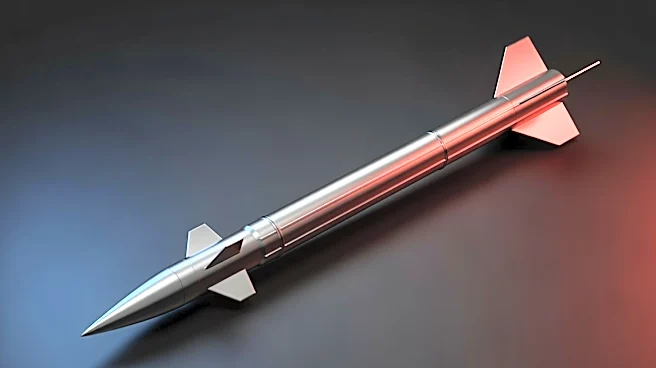
The United Kingdom and France have embarked on a collaborative effort to develop a successor to the Meteor beyond-visual-range air-to-air missile. This initiative is formalized through a memorandum of understanding (MOU) for a 12-month joint study aimed
at exploring future threats and potential technologies for the new missile. The UK’s Defense Equipment and Support agency announced the study on April 1, highlighting its significance in equipping future combat aircraft under development in both countries. The study is a product of the renewed Lancaster House defense agreement, which seeks to strengthen UK-France defense relations post-Brexit and in light of the AUKUS accord. The Meteor missile, currently in service with several European fighter jets, is also undergoing a midlife update to enhance its capabilities.
Why It's Important?
This joint study represents a significant step in bolstering European defense capabilities amid evolving global threats. By collaborating on the development of a new missile, the UK and France aim to ensure their future combat aircraft are equipped with cutting-edge weaponry. This initiative not only strengthens bilateral defense ties but also aligns with broader European defense strategies, potentially setting a precedent for future collaborations. The development of a new missile could enhance the military readiness of both nations, providing a strategic advantage in deterring adversaries. Additionally, the establishment of a joint Complex Weapons Portfolio Office indicates a commitment to coordinated defense efforts, which could lead to more efficient resource allocation and innovation in missile technology.
What's Next?
The next steps involve the detailed assessment of future threats and the integration of advanced technologies into the missile design. The study will also establish a development roadmap, potentially leading to the production phase. As the UK and France continue to collaborate, there may be opportunities for other European nations to join the initiative, fostering a more unified defense strategy across the continent. The outcome of this study could influence future defense procurement decisions and shape the strategic direction of European military capabilities. Additionally, the success of this collaboration could pave the way for further joint projects, enhancing the defense industrial base in both countries.