









What's Happening?
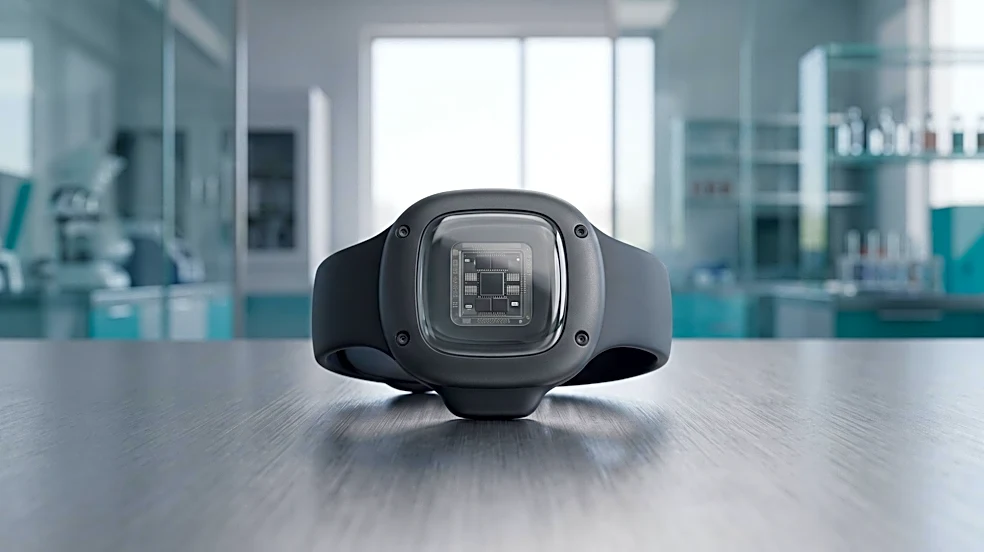
Masimo, a Danaher company, has announced that its smartSET™ pulse oximetry platform has received FDA 510(k) clearance for its Atrial Fibrillation (AFib) detection capability. This new feature, combined with its previously cleared AI-enabled Opioid-Induced
Respiratory Depression (OIRD) detection, expands pulse oximetry beyond individual measurements. The smartSET system utilizes advanced pattern recognition and AI signal analysis to help clinicians identify physiological changes associated with critical clinical events. According to Tim Benner, President of Masimo, this innovation brings intelligent sensing and AI-enabled detection to the bedside, transforming continuous monitoring data into meaningful clinical insights. The AFib capability continuously analyzes pulse waveform data to identify rhythms suggestive of AFib, while the OIRD capability continuously analyzes oxygen saturation (SpO2), pulse rate (PR), and perfusion index (Pi) to assess opioid overdose risk and generate escalating notifications.
Why It's Important?
This FDA clearance for Masimo's smartSET™ represents a significant advancement in patient monitoring within the U.S. healthcare system. The ability to detect AFib and OIRD earlier and more reliably can lead to improved patient outcomes, potentially reducing the incidence of strokes associated with undiagnosed AFib and preventing adverse events from opioid-induced respiratory depression. For hospitals and healthcare providers, this technology offers a tool to enhance patient safety, particularly in general care floors where silent deterioration can occur between routine checks. The integration of AI into pulse oximetry provides clinicians with more actionable insights, bridging the gap between traditional spot checks and continuous, intelligent monitoring. This innovation could also have economic benefits by potentially reducing the length of hospital stays and the costs associated with treating complications arising from undetected conditions, thereby impacting healthcare expenditures across the nation.
What's Next?
Masimo plans to continue expanding the smartSET platform to address other critical clinical needs, indicating a future roadmap for further AI-enabled monitoring solutions. Healthcare organizations interested in the technology can now learn more and schedule evaluations, suggesting a rollout phase for the newly cleared capabilities. The adoption of smartSET will likely involve training for healthcare professionals on how to effectively utilize the new AFib and OIRD detection features within their clinical workflows. This development may also encourage other medical device manufacturers to accelerate their own research and development into AI-powered patient monitoring, fostering innovation and competition in the medical technology sector. Furthermore, the success of smartSET could influence future guidelines and best practices for patient monitoring, particularly in post-operative care and for patients at risk of cardiac arrhythmias.
Beyond the Headlines
The introduction of AI-enabled pulse oximetry like smartSET™ signifies a broader paradigm shift in medical diagnostics, moving towards predictive and preventative care. By providing earlier visibility into serious patient risks, this technology empowers clinicians to intervene before symptoms escalate, potentially transforming the standard of care. This raises deeper questions about the evolving role of AI in clinical decision-making and the balance between human expertise and technological assistance. Ethically, the use of AI in monitoring vulnerable patients, such as those on opioids, underscores the importance of robust validation and clear communication regarding the technology's capabilities and limitations. The continuous analysis of physiological data also touches upon patient privacy and data security concerns, necessitating stringent safeguards. Ultimately, smartSET's success will not only be measured by its technical accuracy but also by its seamless integration into clinical practice and its ability to genuinely enhance the human element of patient care.