




What's Happening?
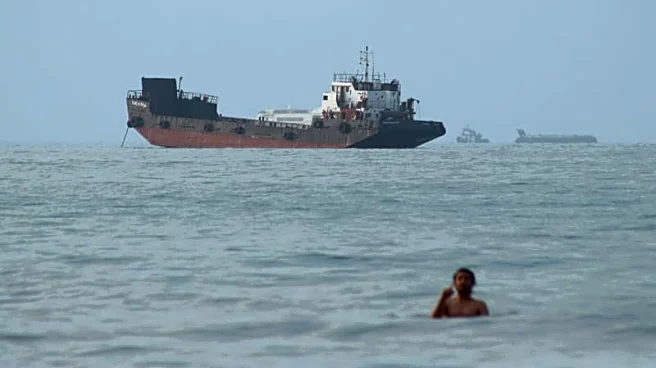
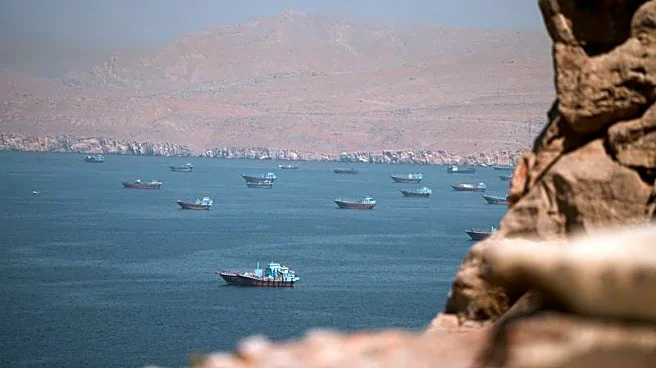
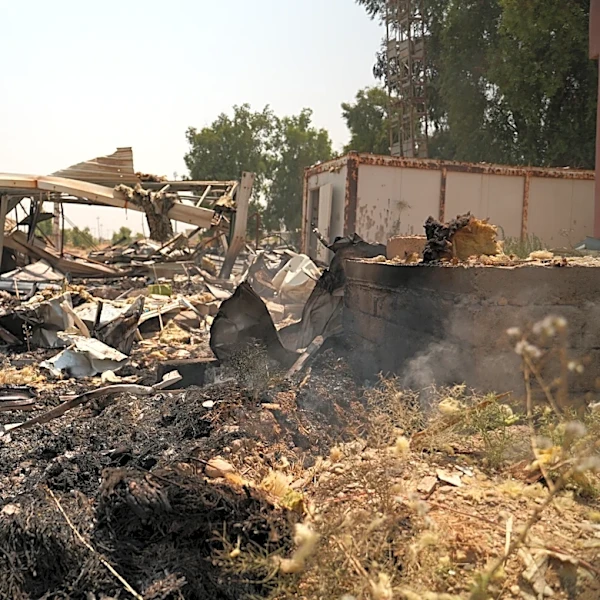
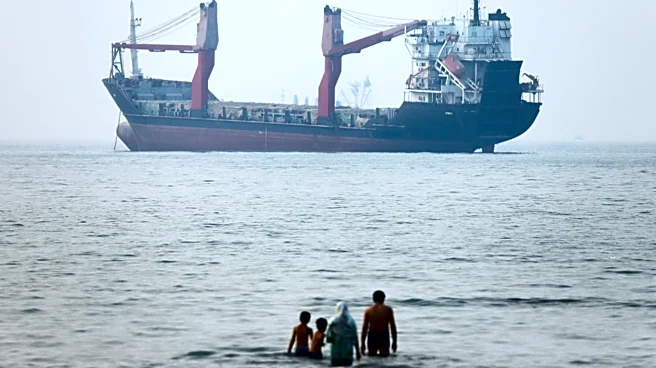
Iran has rejected a proposal from Oman for a 50-50 shipping plan in the Strait of Hormuz, opting instead to propose a new route. This decision comes amid heightened tensions following a Ukrainian strike on an Iranian ship, which has sparked debate within
Tehran about the appropriate response. Iranian officials have condemned the strike as an act of aggression, with some advocating for retaliation against European interests rather than Ukraine itself. The incident has further strained Iran's relations with Western countries and highlighted the strategic importance of the Strait of Hormuz in global shipping and energy supply.
Why It's Important?
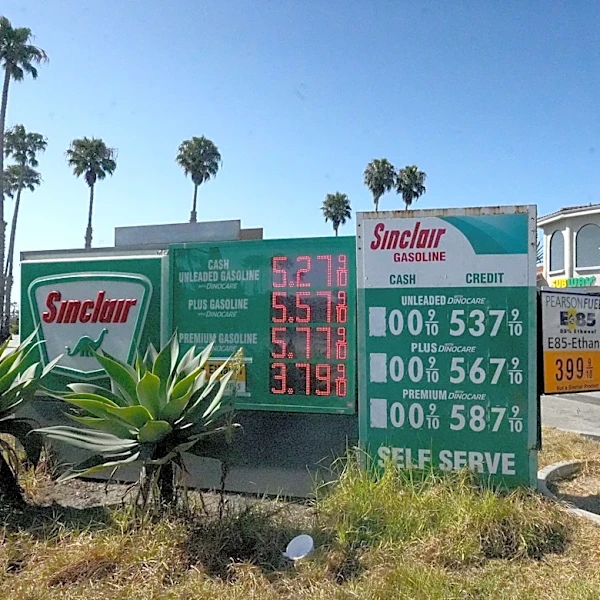
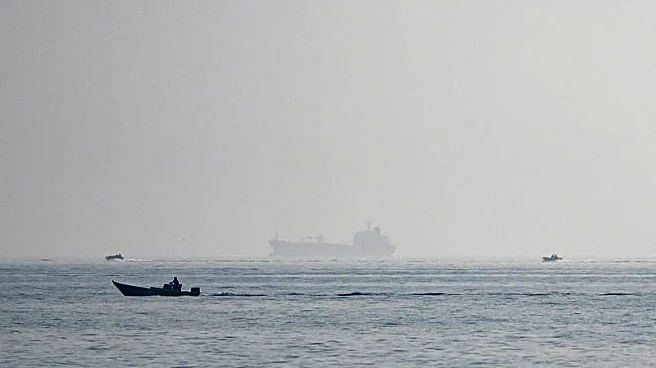
The Strait of Hormuz is a critical chokepoint for global oil transportation, and any disruptions in this region can have significant implications for international energy markets. Iran's rejection of Oman's proposal and the ongoing tensions with Ukraine and Western countries could lead to increased instability in the region. This situation underscores the geopolitical complexities surrounding Iran's foreign relations and its impact on global trade. The potential for military escalation or economic sanctions could further affect global oil prices and supply chains, with wide-reaching consequences for international stakeholders.
What's Next?
Iran's decision to propose a new shipping route in the Strait of Hormuz may lead to further diplomatic negotiations or conflicts with neighboring countries and global powers. The international community will be closely monitoring Iran's actions and any potential retaliatory measures. The outcome of these developments could influence future diplomatic relations and economic policies in the region. Stakeholders, including energy companies and governments, will need to assess the risks and prepare for possible disruptions in oil supply and trade routes.