





What's Happening?
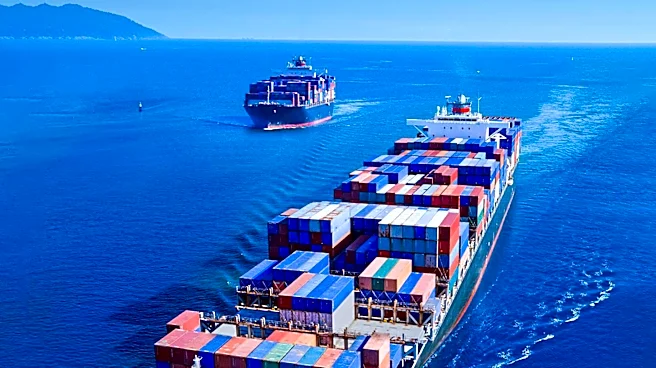
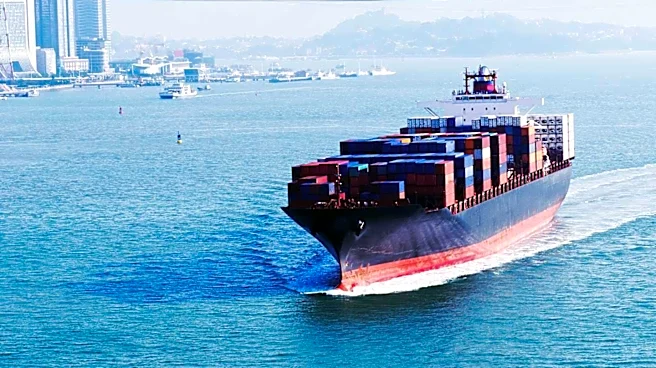
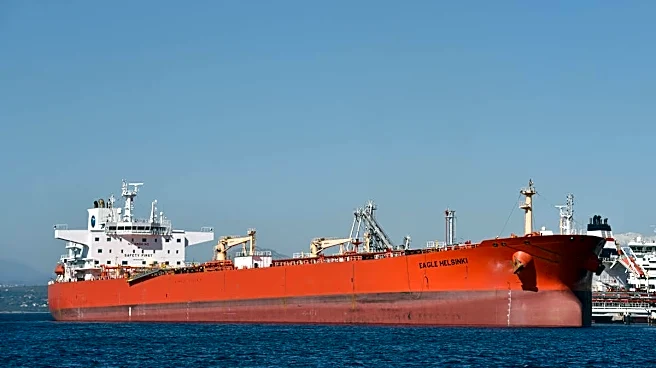
Saudi Arabia has rerouted all crude exports destined for Asia through the Suez Canal following a maritime embargo declared by Houthi rebels. This shift significantly increases transit time and costs for Asian buyers, as the Suez route adds approximately
30 days compared to the Bab Al Mandeb strait. The embargo follows Houthi claims of strikes on Saudi Aramco facilities in Jizan and Yanbu, marking a potential escalation in regional tensions. The rerouting affects Saudi Arabia's oil supply chain, as Yanbu's export terminal is a critical point for seaborne crude exports. The situation underscores the vulnerability of global energy supplies to geopolitical conflicts.
Why It's Important?
The rerouting of Saudi oil exports through the Suez Canal highlights the geopolitical risks affecting global energy markets. The increased transit time and costs could lead to higher oil prices, impacting economies dependent on Saudi oil, particularly in Asia. This development also underscores the strategic importance of the Bab Al Mandeb strait and the Suez Canal as critical chokepoints in global oil supply chains. The situation may prompt countries to seek alternative energy sources or routes to mitigate risks associated with regional conflicts. Additionally, the disruption could influence global oil market dynamics, affecting supply and demand balances.
What's Next?
The ongoing conflict and embargo may lead to further disruptions in Saudi oil exports, potentially prompting international diplomatic efforts to de-escalate tensions. Countries reliant on Saudi oil may explore alternative suppliers or increase strategic reserves to cushion against supply shocks. The situation could also accelerate investments in energy infrastructure, such as pipelines and storage facilities, to enhance supply chain resilience. Monitoring the response of global oil markets and potential shifts in trade patterns will be crucial in assessing the long-term impact of this development on the energy sector.