







What's Happening?
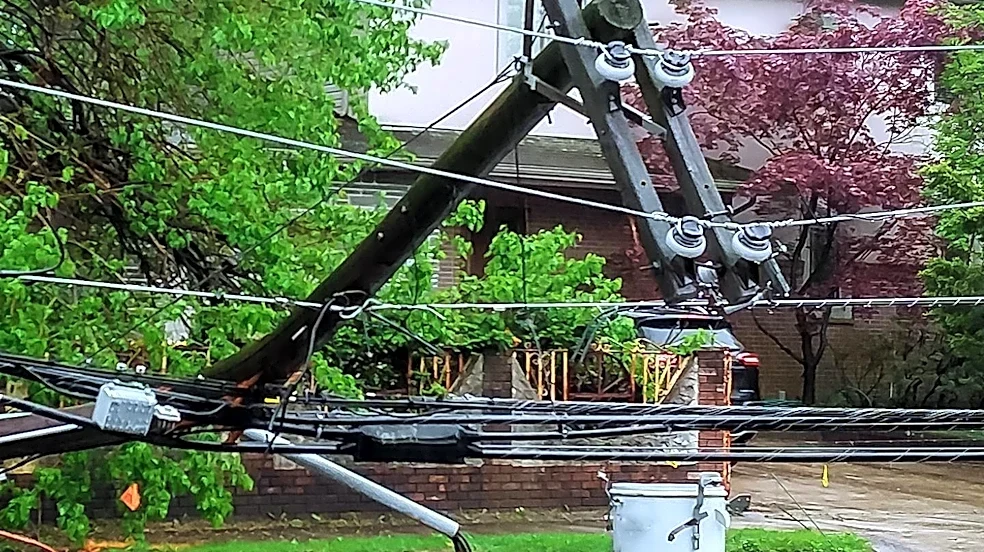
Southern University in Baton Rouge, Louisiana, has initiated a comprehensive 14-week assessment of its campus electrical system to combat ongoing power outages. University officials announced these plans during a Board of Supervisors meeting, detailing
efforts to bring in outside electrical contractors to troubleshoot recurring issues. Raymond Blount, an electrical contractor, confirmed his team's involvement in assisting with the effort. The assessment will encompass field inspections, updates to electrical system records, and testing designed to proactively identify potential problems before they lead to further disruptions. Ken Dawson of Southern University specified that the work will include field verification, system reconstruction, a coordination study report, and infrared testing to detect overheating components. Students, such as Ne'Vae Rice, have voiced concerns that the frequent outages negatively impact their ability to learn and focus on their education. Temporary measures will remain in place while the assessment is underway, and the university is also discussing funding for immediate electrical needs and larger improvements to its distribution system.
Why It's Important?
The persistent power outages at Southern University highlight a critical infrastructure challenge that directly impacts the educational environment and student success. For students, reliable electricity is fundamental for academic activities, including accessing online resources, completing assignments, and participating in virtual learning. Disruptions can lead to missed classes, delayed coursework, and increased stress, potentially affecting academic performance and retention rates. For the university, these outages can damage its reputation, deter prospective students, and incur significant costs for emergency repairs and temporary solutions. The proactive 14-week assessment signifies a commitment to long-term infrastructure investment, which is crucial for maintaining a functional and competitive educational institution. Addressing these issues is vital not only for the current student body and faculty but also for the university's future operational stability and its ability to provide a consistent learning experience.
What's Next?
Over the next 14 weeks, Southern University will proceed with its detailed electrical system assessment, involving field inspections, record updates, and various testing procedures, including infrared analysis. The findings from this assessment are expected to guide university officials in determining the necessary next steps for improving electrical reliability across the Baton Rouge campus. This will likely involve prioritizing and implementing specific infrastructure upgrades and repairs. Concurrently, temporary measures will remain in effect to mitigate immediate power disruptions. The university will also continue discussions regarding funding allocations to address both immediate electrical needs and the broader, long-term improvements required for its electrical distribution system. The successful completion of this assessment and subsequent implementation of its recommendations are crucial for preventing future outages and ensuring a stable environment for students, faculty, and staff.
Beyond the Headlines
The ongoing power issues at Southern University underscore a broader challenge faced by many older institutions and public infrastructure systems across the U.S.: the need for significant investment in aging infrastructure. Beyond the immediate inconvenience, unreliable power can exacerbate educational inequalities, particularly for students who may lack alternative resources or stable home environments. The university's decision to bring in external contractors and conduct a thorough assessment reflects a growing recognition that piecemeal solutions are insufficient for systemic problems. This situation also highlights the ethical responsibility of institutions to provide a conducive learning environment, which includes basic utilities. The long-term implications extend to the university's ability to attract and retain talent, both students and faculty, and its overall standing as a competitive educational institution. The outcome of this assessment and the subsequent actions could serve as a case study for other institutions grappling with similar infrastructure challenges.