






What's Happening?
Federal law enforcement agencies, including the FBI and components of the Department of Homeland Security (DHS), have not provided public transparency regarding their acquisition and use of commercial data from data brokers. This stands in stark contrast
to the U.S. intelligence community, which has published frameworks and reports on its commercial data practices. While the Office of the Director of National Intelligence (ODNI) released its first report in September 2026 detailing how the intelligence community acquires and uses commercial data, federal law enforcement has offered little to no comparable information. This lack of disclosure extends to the types of data purchased, the volume of personally identifiable information, data pertaining to U.S. citizens, and how this data is utilized. Previous reports, such as a September 2023 DHS inspector general report, have highlighted significant issues with DHS agencies' commercial data purchases, including failures to adhere to privacy policies and a lack of sufficient controls. These findings indicate a potential disregard for privacy and civil liberties, as agencies have reportedly purchased sensitive data, including historical phone location data, without proper oversight or privacy impact assessments.
Why It's Important?
The lack of transparency from federal law enforcement regarding commercial data purchases raises significant concerns about Fourth Amendment rights and privacy. When law enforcement agencies can buy data from brokers that would otherwise require a warrant or court order, it creates a loophole that bypasses traditional legal protections against unreasonable searches and seizures. This practice allows agencies to access vast amounts of sensitive personal information, such as geolocation data, web browsing patterns, and health data, without judicial oversight. The potential for abuse is high, as evidenced by past DHS findings where agencies lacked proper policies and controls, and even misunderstood basic privacy concepts like data anonymization. This situation undermines public trust in law enforcement and democratic oversight of surveillance activities. Without clear guidelines and public accountability, individuals' privacy is at risk, and there is no mechanism to ensure that data is not misused for purposes beyond legitimate law enforcement needs, or that it is not subject to security vulnerabilities.
What's Next?
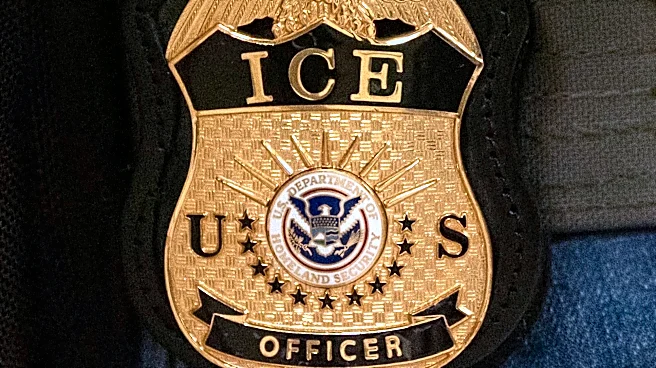
Congress is urged to address the lack of transparency and oversight in federal law enforcement's commercial data purchases. There is a bipartisan interest in reforming law enforcement access to brokered data, and the next Congress has a significant opportunity to build consensus on requiring transparency and developing bipartisan reforms. Congressional oversight committees should call on federal law enforcement agencies, including the Department of Justice (FBI, DEA) and DHS (CBP, ICE), to publicly answer fundamental questions about their commercial data acquisitions. These questions should cover the types of data purchased, total spending, specific use cases, data sharing practices, methods of combining purchased data with other sources, and the extent to which sensitive U.S. person data is acquired. Agencies should also be required to detail their internal governance processes, audit controls, and any investigations into personnel misconduct related to data use. While reports alone will not solve the issues, compelling federal law enforcement to provide the same level of transparency as the intelligence community is a crucial next step towards ensuring accountability and protecting civil liberties.
Beyond the Headlines
The ongoing practice of federal law enforcement purchasing commercial data without transparency or robust oversight highlights a critical ethical and legal dilemma in the digital age. The ease with which vast amounts of personal data can be collected, aggregated, and sold by data brokers creates a 'Wild West' scenario where traditional legal frameworks struggle to keep pace. This situation challenges the fundamental principles of privacy and due process, as individuals often unknowingly consent to the sale of their data through privacy policies they rarely read or understand. The ability of law enforcement to bypass warrant requirements by simply purchasing data from third parties effectively erodes Fourth Amendment protections, transforming what should be a high bar for government surveillance into a mere commercial transaction. This development could lead to a long-term shift in how surveillance is conducted in the U.S., moving from court-ordered investigations to data-driven intelligence gathering with minimal external scrutiny, potentially fostering a society where personal information is constantly accessible to authorities without individual consent or judicial review.