





What's Happening?
The entire state of Hawaii is under a flood watch from Tuesday morning through late Wednesday night, as a slow-moving weather system brings deep tropical moisture and heavy rain. The National Weather Service in Honolulu issued the advisory, noting that
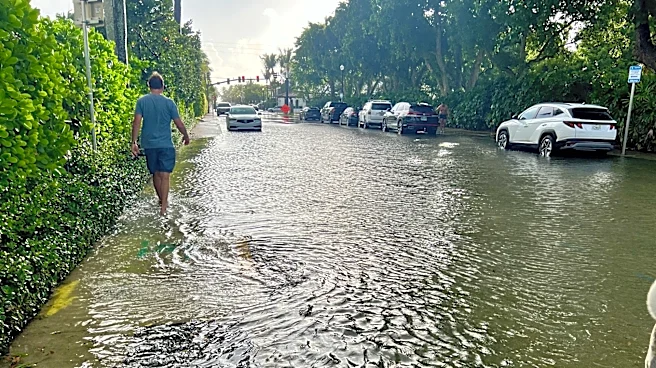
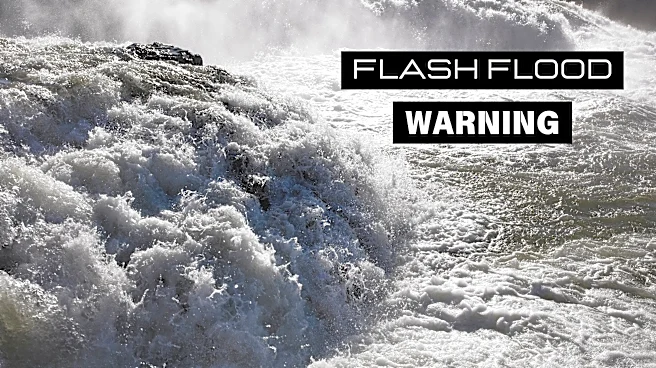
conditions could persist into Thursday. This complex weather system involves a stalled low-pressure trough, an upper-level storm disturbance, and tropical moisture drawn from Tropical Depression Olana. Forecasters anticipate total rainfall amounts ranging from 2 to 8 inches across the islands, with higher elevations expected to receive the greatest accumulations. Isolated thunderstorms are also possible, which could bring brief, strong wind gusts. The flood watch warns of potential flash flooding, rapid runoff, and overflowing streams, with low-lying and flood-prone roads facing possible closures. Urban areas are at an elevated risk of significant flooding and property damage due to rapid runoff. Light to moderate trade winds are expected to weaken today before variable winds develop alongside increasing cloud cover and showers tonight, spreading across Kauai County, Oahu, Maui County, and Hawaii island through Thursday. Residents and visitors are urged to monitor updated forecasts and prepare for potential flash flood warnings.
Why It's Important?
This statewide flood watch is critical for Hawaii, a region highly susceptible to the impacts of severe weather due to its unique geography and infrastructure. Flash flooding and rapid runoff can lead to significant disruptions in daily life, including road closures that isolate communities and impede emergency services. The potential for property damage in urban areas could result in substantial economic losses for residents and businesses, further straining local resources. The agricultural sector, a vital part of Hawaii's economy, could also face severe consequences from excessive rainfall, including crop damage and soil erosion. Furthermore, the disruption to transportation and tourism, a cornerstone of the state's economy, could have ripple effects, impacting local employment and revenue. The involvement of tropical moisture from Tropical Depression Olana highlights the vulnerability of the islands to tropical weather systems, underscoring the ongoing need for robust disaster preparedness and mitigation strategies to protect both the population and the economy.
What's Next?
Residents and visitors across all Hawaiian islands are advised to closely monitor updated forecasts and be prepared to take action if flash flood warnings are issued. The National Weather Service may extend the flood watch if unsettled conditions persist beyond Thursday. Emergency services and local authorities will likely remain on high alert, ready to respond to any incidents of flooding, road closures, or property damage. Communities in low-lying and flood-prone areas should prepare for potential evacuations and secure their properties. The state will likely assess the damage after the weather system passes to determine the full extent of the impact on infrastructure, agriculture, and residential areas. In the longer term, this event may prompt further discussions and investments in climate resilience and infrastructure improvements to better withstand future heavy rainfall events and tropical disturbances, especially given the increasing frequency and intensity of such weather patterns.
Beyond the Headlines
Beyond the immediate concerns of flooding and property damage, this weather event underscores Hawaii's ongoing struggle with climate change and its localized impacts. The combination of a stalled low-pressure trough, an upper-level storm disturbance, and tropical moisture points to increasingly complex and unpredictable weather patterns. This situation highlights the delicate balance between the islands' natural beauty and their vulnerability to environmental shifts. The disruption to daily life and potential economic setbacks could exacerbate existing challenges, such as housing shortages and the high cost of living, by adding another layer of stress on local communities. Furthermore, the event serves as a stark reminder of the importance of traditional ecological knowledge and community-based resilience strategies in navigating environmental challenges. The long-term implications could include shifts in agricultural practices, increased investment in sustainable infrastructure, and a renewed focus on environmental conservation to protect the islands' fragile ecosystems from the escalating threats of climate change.