



What's Happening?
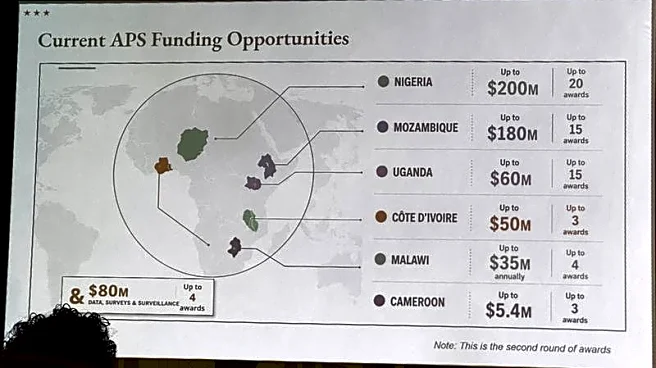
The US State Department faced criticism after displaying an inaccurate map of Africa during a presentation at the AIDS 2026 conference in Rio de Janeiro. The map, which was part of a session on new health agreements, incorrectly placed several African
countries, such as Nigeria and Mozambique, in the wrong regions. The map's inaccuracies were quickly noticed by attendees, who shared images online, leading to widespread ridicule. The State Department acknowledged the error, attributing it to a last-minute modification by a team member. Despite the mistake, the department emphasized its commitment to fighting AIDS and noted that discussions at the conference were constructive.
Why It's Important?
This incident highlights the importance of accuracy and cultural sensitivity in international relations, especially when dealing with global health issues. The error could potentially damage the credibility of the US in its diplomatic engagements with African nations. It also underscores the need for rigorous quality control in official presentations, particularly those involving sensitive topics like health agreements. The US's role in global health, especially through programs like PEPFAR, is significant, and such errors could undermine trust and cooperation with partner countries.
What's Next?
The State Department has taken responsibility for the error and is likely to review its internal processes to prevent similar incidents in the future. OpenAI, whose tools were reportedly used to create the map, is investigating the matter. The US will need to engage in diplomatic efforts to reassure African partners of its commitment to accurate representation and effective collaboration. The incident may also prompt discussions on the use of AI in creating official documents and the need for human oversight.