






What's Happening?
Tucson Electric Power (TEP) has set an aspirational target to achieve net-zero carbon emissions by 2050. This goal is part of the company's latest Integrated Resource Plan, reflecting its commitment to global efforts against climate change. TEP provides
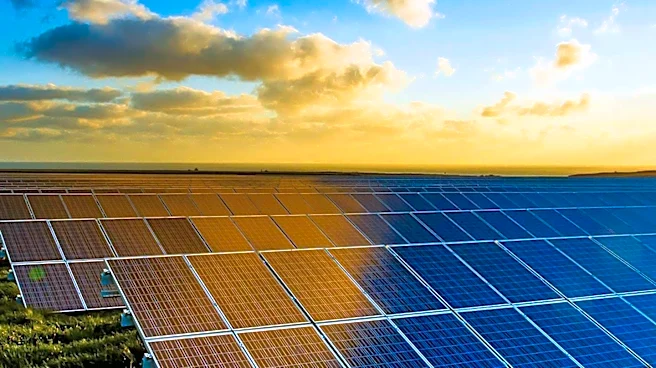
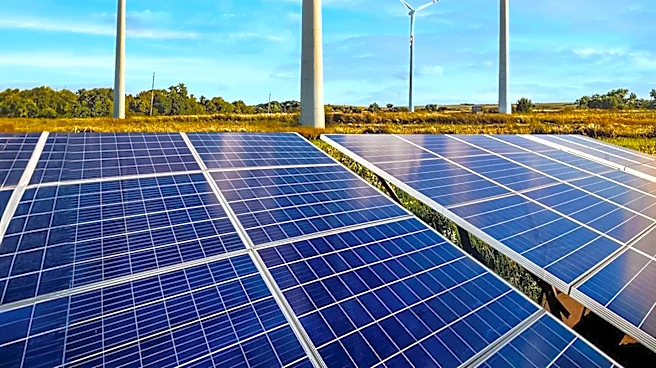
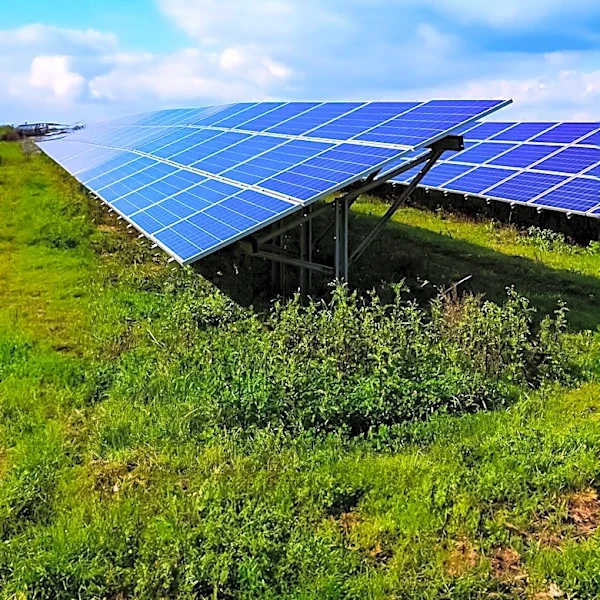
a Clean Energy Tracker, a public dashboard that monitors the real-time output of its largest renewable energy resources, including 20 solar arrays and four wind farms. This tracker allows customers to see how the total renewable energy output compares to overall energy usage and to track individual system production. The data displayed for facilities like the Wilmot Energy Center combines the real-time output of its solar panels and energy storage system, accounting for energy used to charge batteries. The tracker specifically excludes energy generated by private solar arrays. TEP's expanding portfolio of solar arrays, wind farms, and other clean renewable resources is central to its strategy for delivering safe, reliable, and affordable electric service to its community.
Why It's Important?
TEP's commitment to net-zero carbon emissions by 2050 is a significant step in the U.S. energy sector's transition towards sustainability. This initiative directly impacts the environmental footprint of energy production in Arizona and sets a precedent for other utility companies. By publicly tracking its renewable energy output, TEP enhances transparency and accountability, allowing customers and stakeholders to monitor progress towards its climate goals. This move can encourage greater adoption of renewable energy technologies and influence policy discussions around energy transition and climate change mitigation at local and national levels. The focus on cost-effective, community-scale renewable energy also demonstrates a model for integrating clean energy solutions that benefit both the environment and consumers. The shift away from fossil fuels reduces greenhouse gas emissions, contributing to improved air quality and public health, while also potentially stabilizing energy costs in the long term by reducing reliance on volatile fossil fuel markets.
What's Next?
Tucson Electric Power will continue to expand its portfolio of solar arrays, wind farms, and other clean renewable resources to meet its 2050 net-zero carbon emissions target. The company will likely update its Integrated Resource Plan periodically to reflect technological advancements, market changes, and regulatory developments. TEP will also continue to provide tracking reports to customers who contract to purchase renewable energy, ensuring that the energy they buy is not double-counted for others. This ongoing transparency will be crucial for maintaining public trust and demonstrating progress. Future developments may include further investments in energy storage solutions, smart grid technologies, and demand-side management programs to optimize the integration of intermittent renewable energy sources. The success of TEP's plan could serve as a blueprint for other utilities, potentially influencing broader energy policy and investment trends across the U.S. as the nation collectively addresses climate change.
Beyond the Headlines
TEP's ambitious net-zero target highlights a broader shift in the utility industry towards decarbonization, driven by both environmental concerns and economic opportunities. This transition involves not only technological innovation in renewable energy generation and storage but also significant changes in infrastructure and grid management. The move towards cleaner energy sources can stimulate local economies through job creation in renewable energy development, installation, and maintenance. However, it also presents challenges, such as ensuring grid stability with a higher penetration of intermittent renewables and managing the retirement of traditional power plants. The ethical dimension involves balancing the costs of this transition with the long-term benefits of a sustainable energy future, ensuring that energy remains affordable and accessible for all customers. This initiative reflects a growing societal expectation for corporations to take proactive steps in addressing climate change, potentially influencing consumer behavior and investment decisions in the energy sector.